What does belching mean?
Belching is the act of expelling gas from the stomach through the mouth, typically with a characteristic sound, and is more commonly known in everyday speech as burping. As a noun, it denotes either the act itself or a single instance of it, as in 'a loud belching interrupted dinner.' The word sits at an informal to neutral register when applied to people, where it is often associated with poor manners or with relief after drinking carbonated beverages; in medical contexts, the Latinate synonym eructation is preferred. Belching also enjoys a vivid figurative life: factories, chimneys, engines, and volcanoes are said to be belching smoke, fumes, or flame, a usage that almost always carries connotations of pollution, industrial excess, or destructive power. Beyond human and industrial behavior, the word appears prominently in environmental discussion, since livestock such as cattle produce enormous quantities of methane through belching, making the humble burp a genuine topic of climate science.
nounThe act or sound of expelling gas loudly from the stomach through the mouth; an instance of burping.
- The act or sound of expelling gas noisily from the stomach through the mouth.
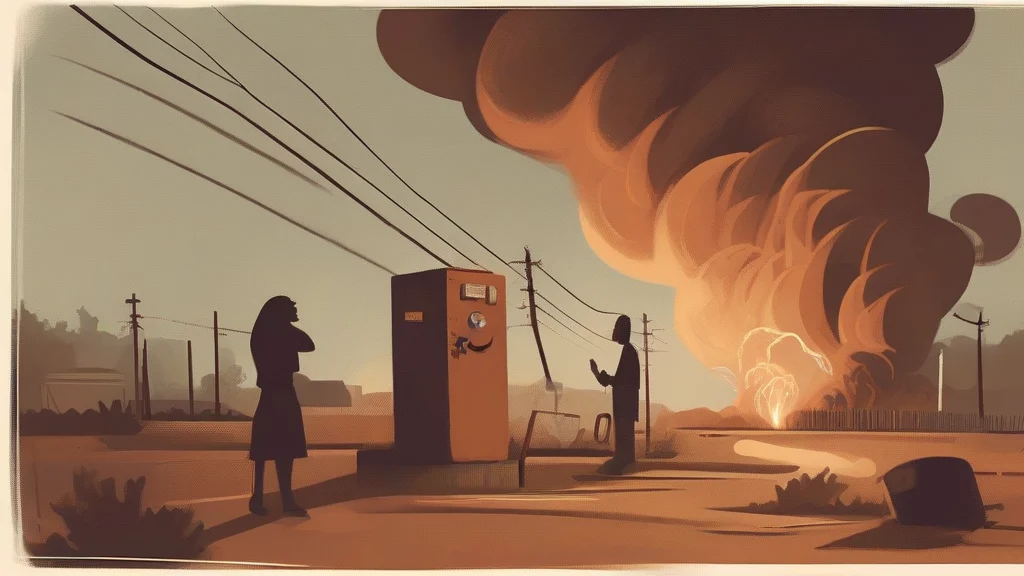
- Figurative use: the forceful emission of smoke, flames, or fumes from a chimney, engine, volcano, or similar source (usually as 'belching smoke').
"A loud belching echoed across the quiet dining room, drawing embarrassed glances from nearby tables."
"He covered his mouth and apologized for his belching after the fizzy drink."
"The old factory stood belching dark smoke into the winter sky."
Rarely used; the singular mass sense ('belching') is standard, and plural forms appear mainly in literary or humorous descriptions of repeated eruptions.
"The old boiler announced its failures with irregular belchings and rattles."
Cows belch so much methane that their burps are a major contributor to greenhouse gas emissions worldwide.
Reviewed by Deb Chak, Editor. AI-assisted content curated by RJS Tech Solutions LLP.
Etymology of belching
Belching derives from the verb belch, which is recorded in Middle English and is generally thought to be of imitative origin, echoing the sound it describes; its precise deeper etymology remains uncertain. The verb has been used both of bodily gas and of erupting fire or smoke for centuries, and the noun form arose directly from the verbal action. Because of its likely onomatopoeic roots, it has few secure cognates in other languages.
Related word forms
How belching is actually used
'Belching' is informal to neutral when describing people; the Latinate term 'eructation' serves formal or medical registers. Applied to chimneys, factories, or volcanoes, it carries a vivid, often negative connotation of pollution or excess.
Easily confused with belching
Both refer to the same bodily act, but 'belching' is the slightly more formal or emphatic term and also extends figuratively to things like chimneys belching smoke.
Retching means making violent efforts to vomit, whereas belching is merely expelling stomach gas through the mouth.