What does betook mean?
Betook is the past tense of the verb 'betake', meaning to go or resort to a place. It is used almost entirely in the reflexive form 'betook himself/herself/themselves to', as in 'she betook herself to her chambers'. The verb carries a distinctly literary, old-fashioned tone: it suggests deliberate movement toward a destination, often with an implication of retreat, withdrawal, or seeking refuge, whether from trouble, sorrow, or simply the demands of company. The word derives from Old English roots — the prefix 'be-' combined with 'take', itself borrowed from Old Norse 'taka' — making it a cousin of common words like 'mistake' and 'overtake'. Today it survives mainly in historical novels, formal narrative prose, and quotations from authors such as Dickens and Scott. For modern writing it is best treated as a stylistic choice that evokes an earlier age rather than as neutral vocabulary; in ordinary contexts, 'went', 'retired to', or 'resorted to' are natural substitutes.
verbBetook is the simple past tense of 'betake', meaning to go or resort to a place, especially one regarded as a refuge or destination; it is used almost exclusively in the reflexive form 'betook oneself'.
- To go or move oneself to a place, typically expressed as 'betook oneself to' (past tense of 'betake'); often implying retreat, flight, or deliberate recourse to a refuge or resort.
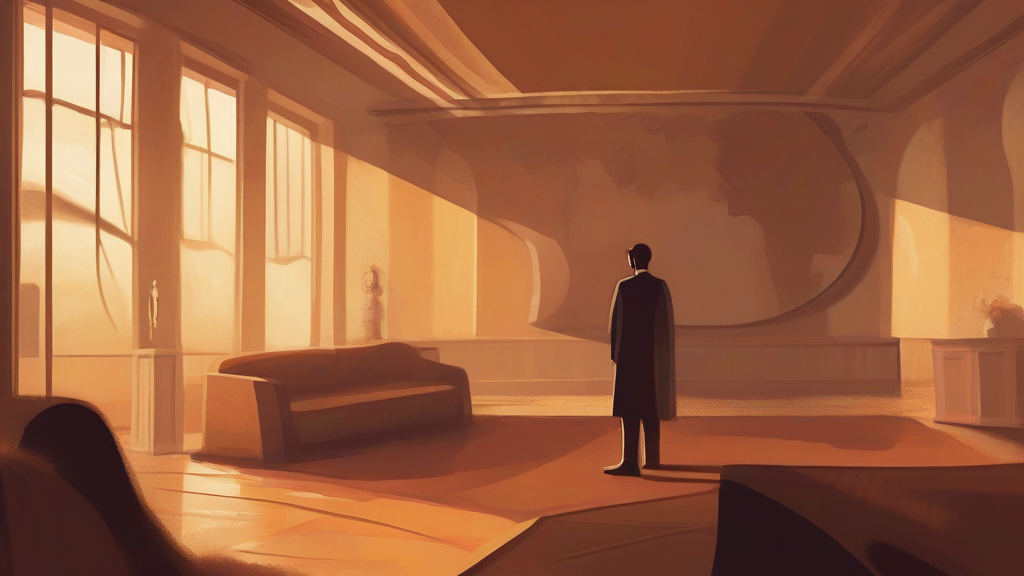
"Disheartened by the city, he betook himself to the countryside for the winter."
"With his fortune spent, Sir Walter betook himself to the continent."
"The refugees betook themselves to the hills until the fighting had passed."
'Betook' is what happens when 'went' puts on a frock coat — a verb straight out of Dickens that survives today only in the phrase 'he betook himself to...'
Reviewed by Deb Chak, Editor. AI-assisted content curated by RJS Tech Solutions LLP.
Etymology of betook
Betook is the past tense of 'betake', formed in Old English from the prefix 'be-' and 'tacan/tæcan' lineage ultimately reinforced by Old Norse 'taka', meaning 'to take'. The compound originally meant to seize or devote oneself to something, and over time narrowed to mean taking or directing oneself to a place. Its cognates include 'take', 'mistake' (Old Norse 'mistaka'), and 'overtake', all descending from the same Germanic-Norse root. The reflexive travel sense was common through Middle and Early Modern English and remains the only sense still recognized today.
Related word forms
How betook is actually used
Highly literary and archaic in flavor; rare outside historical fiction, formal prose, and quotation of older writers. It appears almost solely in the reflexive construction 'betook oneself to' and is not used in everyday speech.
Easily confused with betook
'Besought' is the past tense of 'beseech' and means to beg or plead earnestly, whereas 'betook' means to go or repair to a place.