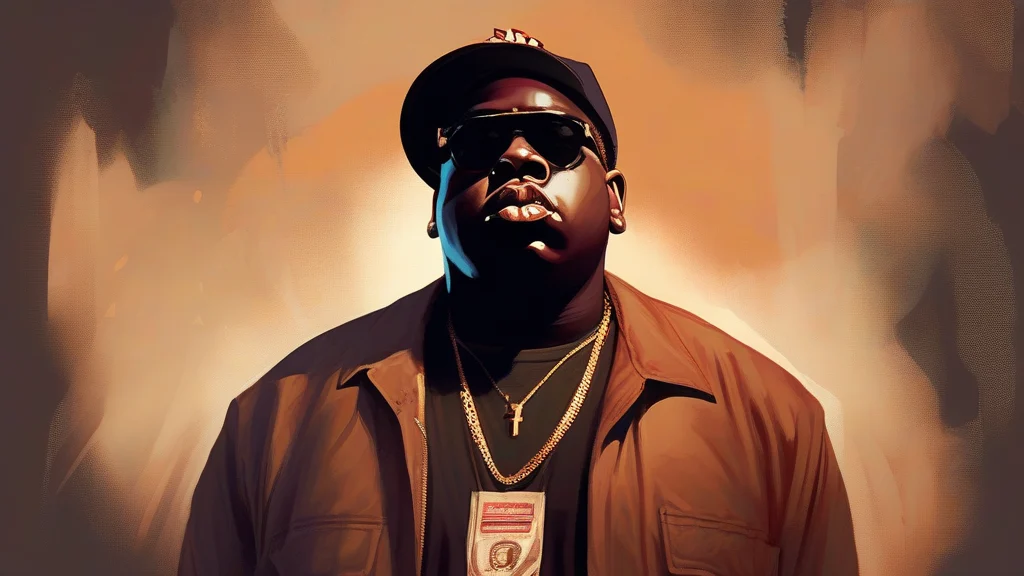
What does biggie mean?
"Biggie" is an informal English noun denoting a person or thing of great importance, size, or influence. Calling someone "one of the biggies" in their field places them among its leading figures, much like terms such as heavyweight or big name. The word is perhaps best known from the colloquial phrase "no biggie," used to reassure someone that a matter is trivial — "It's no biggie if we're a few minutes late." The term arose in mid-20th-century American English as a familiar diminutive built on the adjective "big," and it spread throughout the English-speaking world, remaining firmly casual in tone. It is common in conversation, journalism, and marketing copy, but writers generally avoid it in formal contexts. Because it conveys significance with a breezy, unpretentious flavor, "biggie" remains a useful shorthand whenever a speaker wants to flag what really matters without sounding stiff or grandiose.
nounA person or thing of great importance, size, or influence; an important figure. Often used in the negative phrase 'no biggie' meaning something is not a problem or not significant.
- An important or influential person or thing ('a biggie in the tech world').
- Something large in size ('that sandwich is a real biggie') — less common, often playful.
"She's one of the biggies in the fashion industry."
"Landing that contract was the biggie of her career so far."
"Don't worry about the typo — it's no biggie."
The plural typically refers to multiple important people or items, especially when enumerating the leading ones in a category.
"Rent, taxes, and insurance are the biggies in any household budget."
'No biggie' — two little words Americans say millions of times a day to shrug off trouble — come from a slang noun for someone powerful that emerged in mid-20th-century American English.
Reviewed by Deb Chak, Editor. AI-assisted content curated by RJS Tech Solutions LLP.
Etymology of biggie
"Biggie" is formed by adding the diminutive suffix -ie to the adjective "big," a word of uncertain origin found in Scandinavian languages and established in English by the late Middle Ages. The noun emerged in American slang around the middle of the twentieth century, first referring to prominent or powerful people and later extended to things. Its spread was boosted by popular culture, notably the use of "Biggie" as a stage name by rapper The Notorious B.I.G. in the 1990s, though the word itself long predates that association.
Related word forms
How biggie is actually used
Informal and conversational in register; rarely used in formal writing. Most frequently heard in the idiomatic phrase 'no biggie,' which dismisses a concern as trivial. The plural 'biggies' commonly appears when ranking or listing major items ('the three biggies').
Easily confused with biggie
'Big E' is a nickname or abbreviation (e.g., for a person or the Big East conference), whereas 'biggie' is a common noun meaning an important person or thing; they are unrelated in meaning.