What does blat mean?
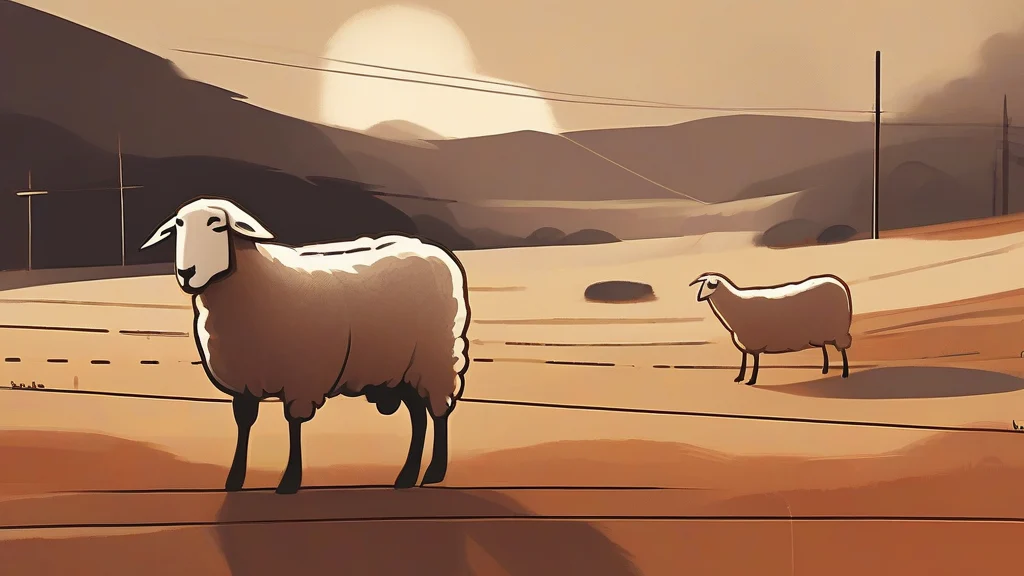
Blat is a verb meaning to produce a loud, harsh crying sound, most often associated with farm animals such as sheep and calves whose insistent bleating it resembles. Where the standard word "bleat" suggests the familiar wavering call of a sheep, "blat" conveys something rougher and more urgent — a full-throated, almost abrasive outcry. In informal American English the word has been extended to human behavior, describing speech that is loud, indiscreet, or delivered without restraint, as when someone blurts out information better left unsaid. The word is onomatopoeic in character and functions as a variant of "bleat," which it echoes both in sound and in origin. Because of its coarse, vivid phonetics, "blat" tends to appear in colloquial writing rather than formal prose, lending passages about rural life, animals, or noisy conversation a gritty, immediate quality that more polished vocabulary cannot easily supply.
(intransitive) To make a loud, raucous bleating cry, as a sheep or calf does.
"Across the field, the calves blatted for their mothers."
Chiefly used of livestock; the register is informal or dialectal.
(transitive/informal) To utter loudly or indiscreetly.
"She blatted the news across the office before it was officially announced."
This sense is informal and chiefly North American.
"Blat" started life as the unglamorous cousin of "bleat" — the difference between a sheep politely complaining and one demanding its dinner.
Reviewed by Deb Chak, Editor. AI-assisted content curated by RJS Tech Solutions LLP.
Etymology of blat
Blat is an imitative formation closely related to "bleat," the long-established English word for the cry of a sheep, which descends from Old English blǣtan. It arose as a rougher, more emphatic variant of the same sound-imitation tradition and has been used in English since at least the nineteenth century. Cognate forms of the underlying verb exist in other Germanic languages, such as Dutch blaten and German blöken.
How blat is actually used
Primarily used of animal noises, especially sheep and cattle, and carries a rough, rustic connotation. The extended sense for loud human speech is informal and chiefly American.
Easily confused with blat
Bleat is the standard term for the wavering cry of a sheep or goat, while blat is a rougher, more forceful variant of the same idea and is also used informally for loud, indiscreet human talk.