What does bloomer mean?
Bloomer is a versatile English noun with several distinct senses. Most commonly it describes a plant that flowers — as in 'an early bloomer' for spring-flowering species — or, figuratively, a person whose talents mature later than their peers, a meaning carried warmly in the phrase 'a late bloomer'. In British informal speech, a bloomer is also a silly or embarrassing mistake, used with gentle, often affectionate mockery. Historically, bloomers were the loose, ankle-length trousers adopted by women in the mid-19th century as part of dress reform, named after the American campaigner Amelia Bloomer, who publicized the style though she did not invent it. Whether describing a flourishing rose, a late-blooming career, a regrettable error, or a piece of Victorian fashion history, bloomer remains a vivid and culturally rich word.
A plant or person that blooms, especially at a specified time; figuratively, someone whose abilities emerge late in life.
"He was a late bloomer, publishing his first novel at fifty."
Almost always positive when applied to people.
(British, informal) A foolish or embarrassing mistake.
"Leaving the passport at home was a real bloomer."
Informal and chiefly British; usually softened with phrases like 'a bit of a'.
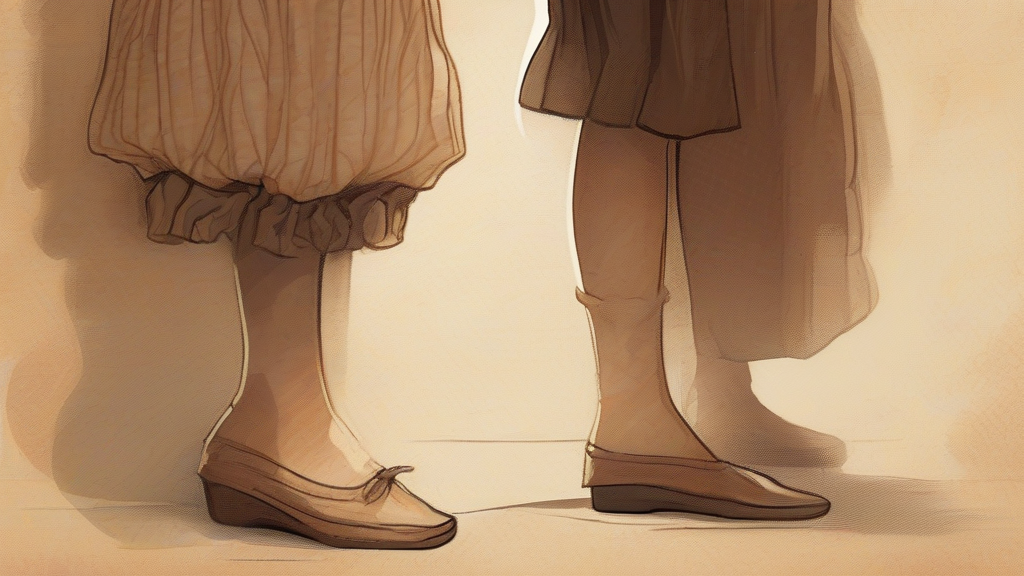
(historical) A loose trouser-like garment for women, gathered at the ankle, worn in the mid-19th century as part of dress reform.
"Photographs of the period show reformers boldly wearing bloomers instead of skirts."
The plural is standard for all senses; note that 'bloomers' alone typically refers to the historical garment (or old-fashioned undergarments), while 'a bloomer' in other senses takes normal plural agreement.
"She planted several late-season bloomers along the border."
The 'bloomers' women wear today trace straight back to Amelia Bloomer, the American reformer who lent her name to a scandalous pair of loose trousers in the 1850s.
Reviewed by Deb Chak, Editor. AI-assisted content curated by RJS Tech Solutions LLP.
Etymology of bloomer
Bloomer derives from 'bloom', which entered Middle English from Old Norse 'blóm' (flower), replacing native Germanic terms and ultimately tracing back to Proto-Germanic roots also seen in 'blossom'. The agent-noun form 'bloomer' arose naturally for anything that blooms. The garment sense comes from Amelia Jenks Bloomer, the American suffragist and reformer whose name became attached to the loose women's trousers she promoted in the early 1850s — a classic example of an eponym. The British slang sense of a blunder developed separately, likely by extension from notions of a glaring display or flourish, appearing in informal British use by the late 19th century.
Related word forms
How bloomer is actually used
In British English, calling something 'a bit of a bloomer' is light-hearted and mildly self-deprecating rather than harshly critical. The 'late bloomer' sense is warm and encouraging, never insulting. The garment sense is now almost entirely historical, encountered mainly in discussions of Victorian dress reform.
Easily confused with bloomer
'Bloom' is the flower or state of flowering itself, while 'bloomer' is either a thing that blooms, a mistake (British informal), or the 19th-century women's garment.