What does boomtown mean?
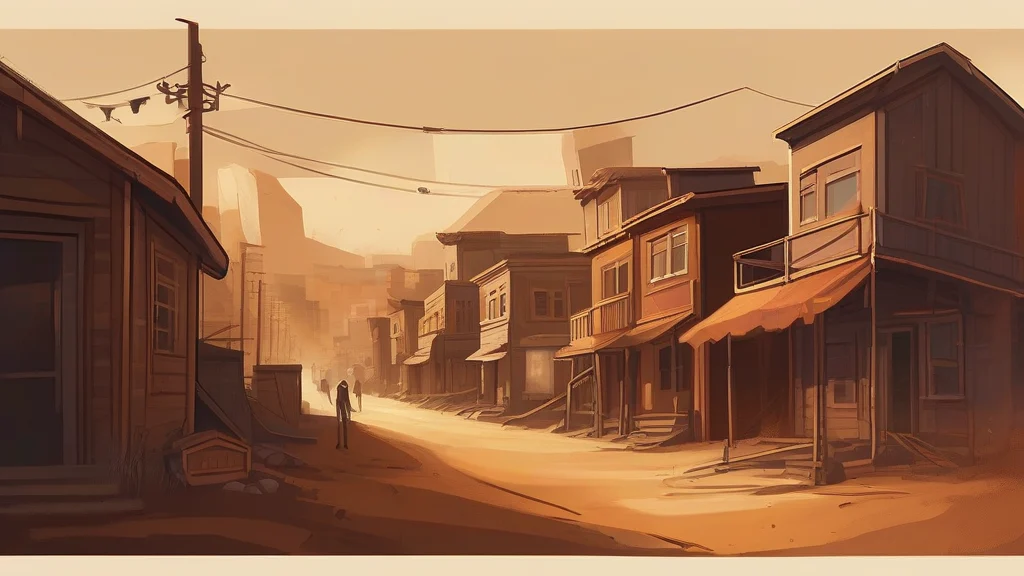
A boomtown is a community that undergoes sudden, dramatic growth in population and prosperity, usually triggered by the discovery or rapid exploitation of a valuable resource such as gold, silver, or oil. The term is closely associated with nineteenth-century American westward expansion, when mining strikes could transform a remote camp into a bustling settlement within months, complete with saloons, banks, and rail links — often built so hastily that little planning went into streets, sanitation, or housing. While the word evokes opportunity, ambition, and entrepreneurial energy, it also carries a cautionary undertone: many historic boomtowns collapsed just as quickly as they rose once the resource was exhausted, becoming abandoned ghost towns. Today the term is also applied to modern cities — from oil-patch hubs to tech-driven metros — whose economies and populations are expanding at an extraordinary pace.
nounA town that has experienced sudden, rapid growth in population and prosperity, typically because of a boom in a local industry such as mining or oil.
- A town undergoing explosive growth in population and wealth, usually driven by a resource or industry boom.
"The discovery of gold transformed the sleepy settlement into a boomtown almost overnight."
"During the oil rush, Tulsa grew from a modest trading post into a booming metropolis."
"Critics warned that the fracking boomtown's infrastructure could not keep pace with its exploding population."
Standard plural; used freely in both historical and contemporary contexts.
"Nineteenth-century boomtowns sprang up across the American West wherever gold or silver was found."
Some of America's most famous 'ghost towns' were once roaring boomtowns — the same gold strike that built them emptied them within a generation.
Reviewed by Deb Chak, Editor. AI-assisted content curated by RJS Tech Solutions LLP.
Etymology of boomtown
The compound "boomtown" combines "boom," meaning a period of sudden prosperity or rapid commercial growth (a usage attested in American English by the late nineteenth century), with "town." The economic sense of "boom" likely derives from the verb "to boom," meaning to advance or flourish vigorously, possibly echoing the sense of a booming sound suggesting energy and force. The compound arose in American English during the era of mining rushes and railroad expansion to describe settlements springing up around new strikes.
How boomtown is actually used
The word is common in American English, especially in historical accounts of western expansion, mining camps, and oil rushes, but it is also applied to modern cities experiencing rapid economic growth. It carries connotations of both opportunity and disorder — overcrowding, inflated prices, and makeshift housing are frequent associations.
Easily confused with boomtown
A ghost town is an abandoned settlement left behind after a boom collapses, whereas a boomtown is one experiencing rapid growth and prosperity.