What does bridleway mean?
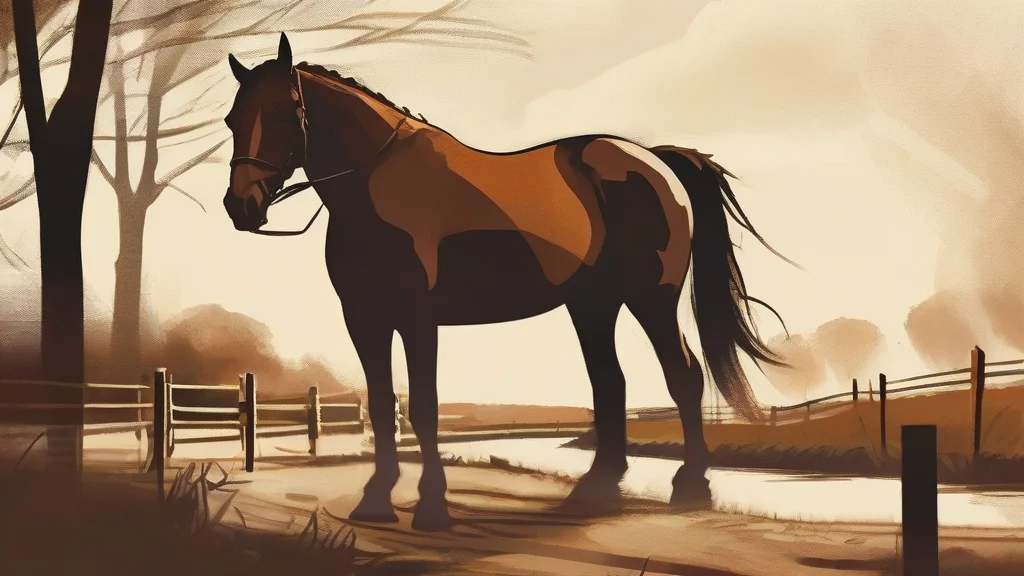
A bridleway is a route across countryside that carries a public right of way for horse riders and, generally, for people on foot. The term is used chiefly in Britain, where bridleways are formally classified on Ordnance Survey maps and protected under legislation such as the Countryside and Rights of Way Act 2000. Unlike a simple footpath, which is limited to pedestrians, a bridleway explicitly accommodates ridden horses — its very name points to the bridle worn by a ridden animal — and many bridleways also permit cyclists, though cycling must usually yield to walkers and riders. Many follow ancient tracks that predate modern roads, making them both practical routes for riders today and corridors of historical interest. For walkers, cyclists, and equestrians alike, knowing whether a route is a bridleway matters: it determines what you may legally do there and helps preserve access rights that have been negotiated and defended over generations.
nounA public right of way over private land, designated for use by horse riders and walkers; in England and Wales it is a legally defined type of footpath along which riding horses is permitted.
- A public path over land reserved for horse riders and walkers, especially one with legal status under the law of England and Wales.
"The bridleway wound across the downs, offering riders sweeping views of the valley below."
"We followed the bridleway uphill until it opened onto open moorland."
"Local campaigners fought to keep the ancient bridleway open to riders after developers fenced off the field."
Regular plural; used when referring to networks of routes or multiple paths in a region.
"The county's network of bridleways attracts riders from across the country."
In England and Wales, a bridleway isn't just any path — it's a legally protected right of way that has let horse riders cross private land for centuries.
Reviewed by Deb Chak, Editor. AI-assisted content curated by RJS Tech Solutions LLP.
Etymology of bridleway
Bridleway is formed transparently from two native English elements: 'bridle', from Old English 'brīdl' meaning the headgear by which a horse is controlled, and 'way', from Old English 'weg' meaning a road or path. As a compound denoting a route suitable for horses, it developed within English rather than being borrowed, and its legal sense was consolidated through British rights-of-way law. It shares its components with related compounds such as 'footway', 'pathway', and 'carriageway'.
How bridleway is actually used
Bridleway is chiefly British; the more common North American equivalent is 'bridle path' or 'horse trail'. In England and Wales it has precise legal status under the Countryside and Rights of Way Act 2000, so the word often carries an official, map-based connotation rather than describing just any rural path.
Easily confused with bridleway
A footpath is legally restricted to pedestrians on foot only, whereas a bridleway also permits horse riding (and in England and Wales typically allows cyclists to push their bikes).
A byway is an unfenced minor road or track that may carry vehicular rights, while a bridleway is a route designated specifically for riders and pedestrians.