What does broider mean?
Broider is a verb meaning to decorate cloth with ornamental needlework — to embroider. It entered English from Old French in the Middle Ages and was once the ordinary word for the craft, appearing freely in literature from Chaucer's era through the Renaissance. Over time, however, the longer form 'embroider', borrowed later from the same French source with an added prefix-like element, displaced it in everyday speech, leaving broider as an archaic or deliberately literary alternative. Modern readers encounter it chiefly in poetry, historical novels, and museum-style descriptions of tapestries and vestments, where phrases like 'richly broidered' evoke craftsmanship and luxury. Its derivatives include the adjective 'broidered' and the noun 'broidery'. While using broider today signals an antique register rather than current idiom, that very quality makes it valuable to writers seeking period texture or elevated diction. For anyone studying textile history or early English literature, it remains a genuinely useful word to know.
verbTo embroider; to decorate fabric with needlework, typically using patterns of stitches in coloured thread.
- To ornament fabric with needlework; to embroider.
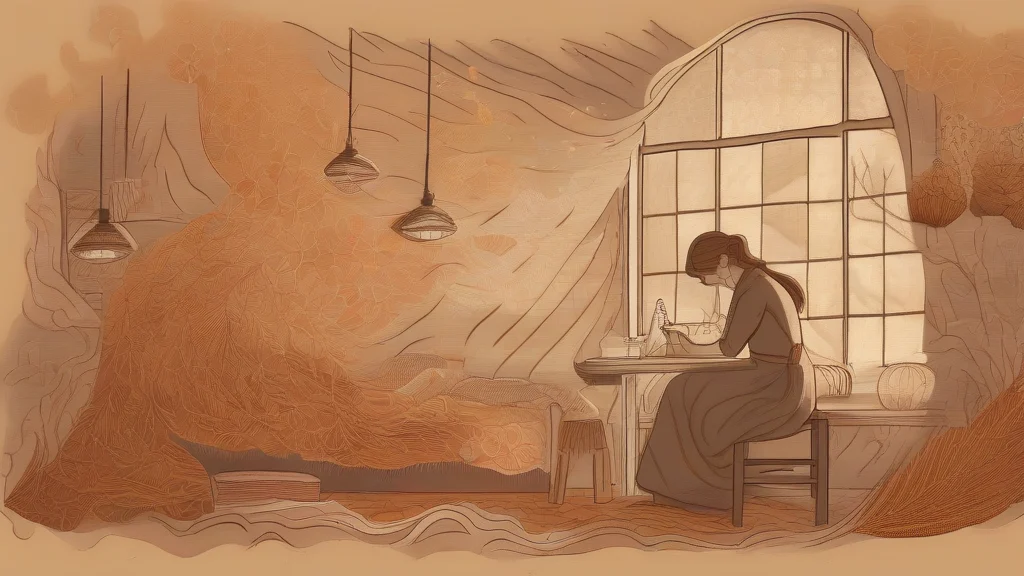
"She spent the winter months learning to broider delicate roses onto linen cushions."
"The altar cloth was richly broidered with scenes from scripture."
"In the poem, maidens sat by the fire and broidered silks for their trousseaus."
Broider is essentially 'embroider' before it grew its extra syllable — a word Shakespeare could use without a second thought.
Reviewed by Deb Chak, Editor. AI-assisted content curated by RJS Tech Solutions LLP.
Etymology of broider
Broider comes from Old French 'broisder' or 'brosder', meaning to embroider, a word of uncertain further origin, though it may be related to 'brode', referring to a stitch or seam. It was absorbed into Middle English and remained the standard English verb for needlework for centuries. The familiar form 'embroider' arose from the same French source with the addition of a prefix-like element (as seen in 'em-'), eventually supplanting broider in general usage. Cognate-flavoured relatives in English include 'embroil' and 'brocade', which trace back through related Romance threads.
Related word forms
How broider is actually used
Broider is archaic or literary in contemporary usage; writers today almost always choose 'embroider'. It survives mainly in poetry, historical fiction, and descriptions of antique textiles, where its brevity and old-world flavour are valued.
Easily confused with broider
Embroider is the standard modern term for decorative needlework; broider is an older, now chiefly literary or poetic variant of the same word.