What does bulghur mean?
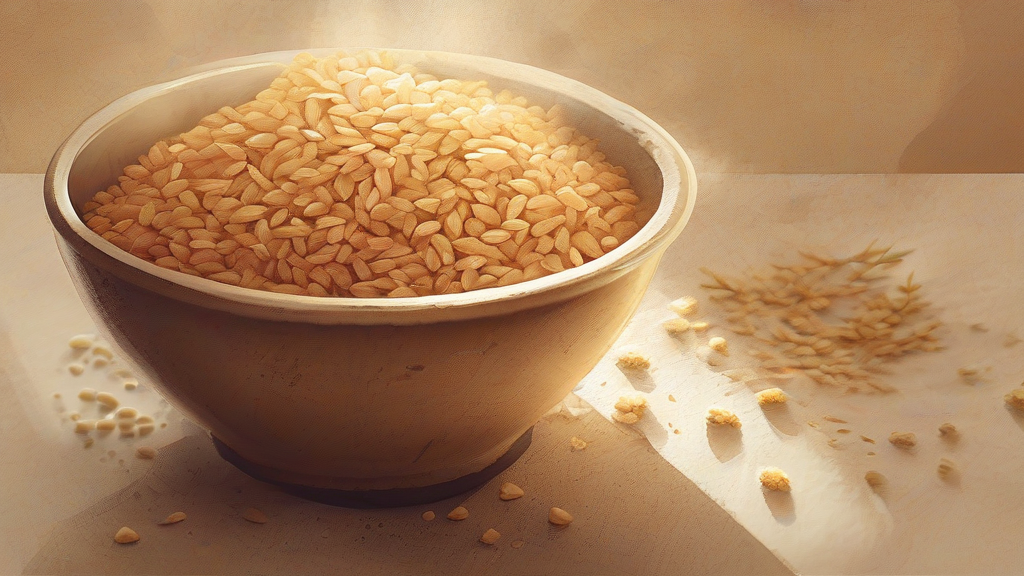
Bulghur (more often spelled bulgur) is a noun referring to wheat — usually durum — that has been boiled, dried, and cracked into coarse or fine grains. Because the bran and germ remain largely intact, it retains more fibre and nutrients than many refined grains, which has made it popular in health-conscious cooking. It is a cornerstone of Middle Eastern cuisine, appearing in classic dishes such as tabbouleh and kibbeh, and its parboiling means it needs only soaking or brief simmering before eating. In everyday usage it functions as an uncountable noun, measured by the cup rather than counted individually. Writers should note that 'bulgur' is the dominant modern spelling, while 'bulghur' survives chiefly in older or British-influenced texts. With roots stretching back centuries in the cuisines of the eastern Mediterranean, bulghur is both a pantry staple and a window into one of the world's oldest food traditions.
nounA form of wheat, typically durum, that has been parboiled, dried, and cracked into grains, used widely in Middle Eastern cooking.
- Wheat that has been parboiled, dried, and broken into grains, used as a staple ingredient in Middle Eastern cuisine (e.g., in tabbouleh and kibbeh).
"She tossed the tabbouleh with a cup of cooked bulghur, parsley, and lemon juice."
"Rinse the bulghur thoroughly, then soak it in boiling water for about twenty minutes."
"Kibbeh combines minced lamb with fine-ground bulghur, onion, and warm spices."
Rare; used only when referring to multiple types or grades of bulghur. In normal culinary contexts the word is treated as uncountable.
"The market stocked several bulghurs, from fine-ground to extra-coarse."
Bulghur has been feeding people for thousands of years — some scholars trace it back to ancient Mesopotamia, making it one of humanity's oldest convenience foods.
Reviewed by Deb Chak, Editor. AI-assisted content curated by RJS Tech Solutions LLP.
Etymology of bulghur
The word entered English from Turkish 'bulgur', itself derived from Turkic roots relating to pounded or bruised grain. It was adopted into English during the nineteenth century as trade and travel brought Middle Eastern foodstuffs to Western attention, with variant spellings such as 'bulghur' and 'burghul' reflecting different routes of transmission. The underlying product, however, far predates the English word: parboiled cracked wheat has been a staple of Anatolian and Levantine cooking for well over a millennium.
How bulghur is actually used
Bulghur is a less common spelling than the standard 'bulgur'; both refer to the identical product. It is an uncountable or collective noun in most culinary contexts, though it can take a plural when referring to different grades or types. The word carries neutral register and appears mainly in cookery writing.
Easily confused with bulghur
Couscous consists of small steamed granules of semolina pasta, whereas bulghur is made from whole wheat kernels that are parboiled and cracked.
Cracked wheat is raw and uncooked before sale, while bulghur has been parboiled, so it cooks much faster.