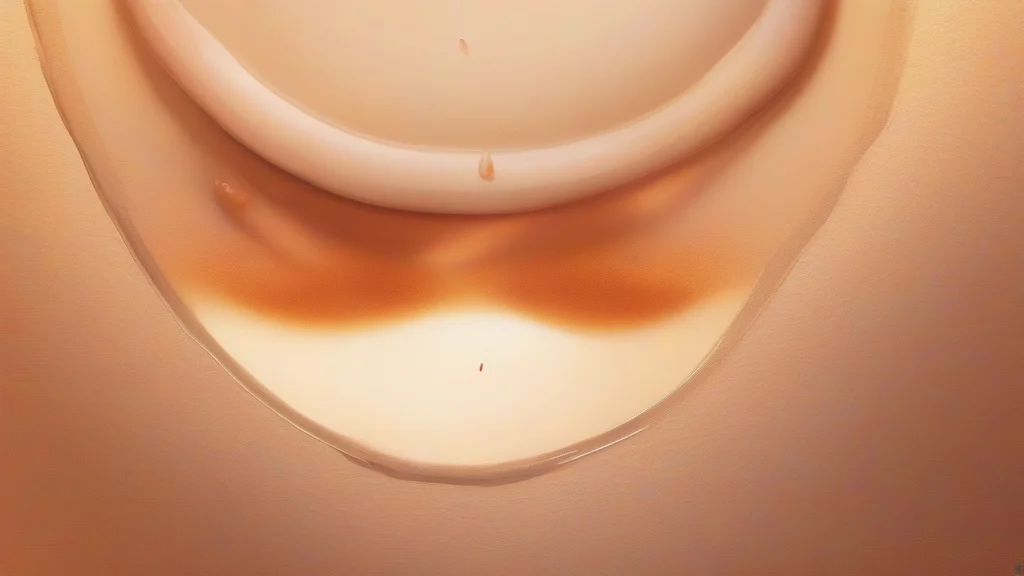
What does bulla mean?
A bulla is a large, fluid-filled blister on the skin, distinguished from a smaller vesicle chiefly by its size — typically more than about five millimetres across. The term belongs mainly to medical language: dermatologists describe tense or flaccid bullae in conditions such as pemphigoid and pemphigus, while chest physicians speak of pulmonary bullae, air-filled spaces that can develop in emphysematous lungs. Beyond medicine, the word carries a rich historical life: in ancient Rome a bulla was a locket-like amulet, often of gold, worn by freeborn boys as a protective charm until they reached adulthood, and in later usage a bulla came to mean the round metal seal attached to important documents, notably papal ones — the source of the expression 'papal bull'. The adjective 'bullous' describes conditions characterised by such blisters. Though uncommon in everyday speech, bulla is a precise, well-established term worth knowing in clinical, classical, and historical contexts alike.
A large fluid-filled blister on the skin, typically over 5 mm in diameter.
"The rash progressed from small vesicles to tense bullae across his trunk."
Used almost exclusively in medical contexts; the adjective is 'bullous'.
An air-filled cavity within the lung, especially in emphysema.
"Imaging revealed a giant bulla occupying much of the left upper lobe."
In ancient Rome, a locket-like amulet worn by freeborn children as a protective charm.
"The boy's golden bulla was set aside when he assumed the toga of manhood."
A round lead or gold seal attached to official documents, especially papal ones.
"The charter was authenticated by a leaden bulla suspended from silk threads."
The plural retains the Latinate ending '-ae'; the singular 'bulla' and plural 'bullae' are both pronounced /ˈbʊlə/ and /ˈbʊliː/ respectively in common medical usage.
"Multiple bullae were observed on the patient's lower legs during examination."
In ancient Rome, freeborn boys wore a golden charm called a bulla around their necks until they came of age — the same word doctors now use for a blister.
Reviewed by Deb Chak, Editor. AI-assisted content curated by RJS Tech Solutions LLP.
Etymology of bulla
Bulla comes directly from Latin, where it denoted a bubble, a stud or boss, and the rounded amulet worn by Roman children. The word entered English in the seventeenth century, initially through its historical senses before being adopted by medicine for large blisters, whose resemblance to bubbles echoes the original Latin meaning. The same Latin root gave rise to the seal sense behind the term 'papal bull'. Its plural is the Latinate bullae, reflecting the word's classical pedigree and continued use in formal medical nomenclature.
Related word forms
How bulla is actually used
Bulla is primarily a technical term used in dermatology and pulmonary medicine; outside those fields it appears mostly in historical or classical contexts referring to the Roman amulet or documentary seals. The adjective form is 'bullous' (e.g., bullous pemphigoid), and the standard medical pronunciation stresses the first syllable.
Easily confused with bulla
A bola is a throwing weapon made of weights on cords, whereas a bulla is a blister, amulet, or seal.
A bully is someone who intimidates others, while a bulla is a blister or an ancient amulet or seal.