What does bung mean?
A bung is a stopper — usually made of wood, cork, rubber, or silicone — that seals the opening of a cask, barrel, or other container, most familiarly in brewing and winemaking, where bungs keep air out of maturing beer and wine. The word also functions as an informal British verb meaning to throw something carelessly ('just bung it in the bin') or to cram something hastily into a space. The noun is entirely standard technical vocabulary in the drinks trade, while the verb carries a casual, slightly rough-edged register and would be out of place in formal writing. Related terms include 'bung hole', the aperture sealed by the stopper. The word's origin is uncertain, though it has been part of English since at least the sixteenth century. Its blend of precise trade usage and breezy colloquial energy makes 'bung' a small but versatile piece of the English lexicon.
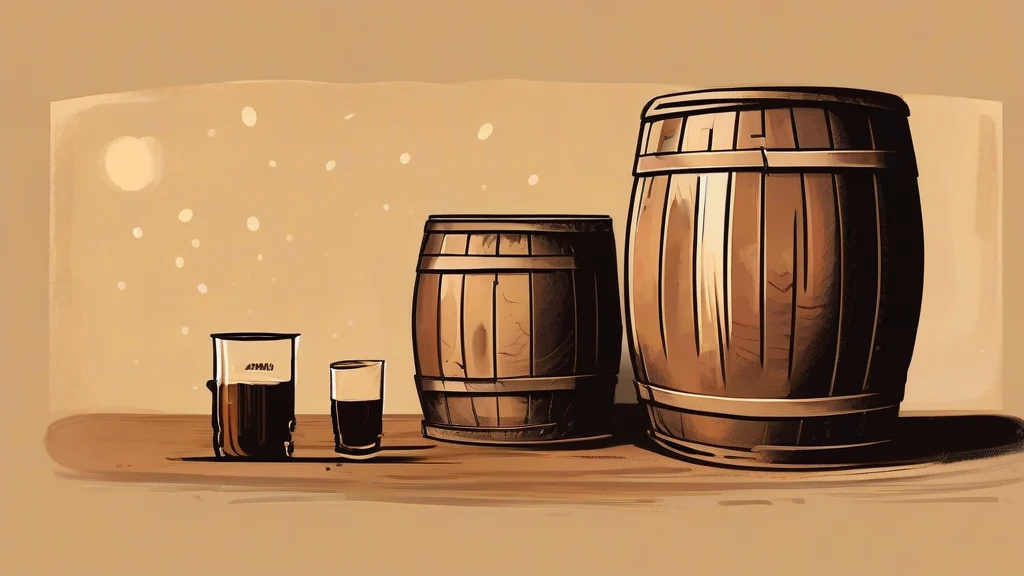
A stopper used to close the hole of a cask, barrel, or bottle, especially in brewing and winemaking.
"The brewer tapped in a fresh rubber bung before rolling the cask downstairs."
Standard technical vocabulary in the drinks trade; the opening itself is called the bung hole.
(British, informal) To throw something somewhere carelessly or forcefully; to stuff or cram something hastily.
"He bunged his dirty kit straight into the washing machine."
Informal and chiefly British; too casual for formal contexts.
Standard plural for the noun sense; applies to multiple stoppers.
"The cellar shelf was lined with spare corks and bungs of every size."
The humble bung keeps every barrel of beer and wine sealed tight — but tell someone to 'bung it over' and you're suddenly speaking very casual British.
Reviewed by Deb Chak, Editor. AI-assisted content curated by RJS Tech Solutions LLP.
Etymology of bung
The word 'bung' first appears in English in the mid-sixteenth century, originally referring to the stopper of a cask. Its ultimate origin is uncertain, with no widely accepted cognates established in other languages, so any claim of a specific foreign root should be treated cautiously. The informal verb sense developed later, presumably by extension from the physical act of driving or stuffing a bung into its hole.
Related word forms
How bung is actually used
The verb sense is distinctly informal British English and can sound brusque or breezy depending on tone; it is best avoided in formal writing. The noun sense is standard in brewing, winemaking, and cooperage contexts on both sides of the Atlantic.
Easily confused with bung
A bun is a small sweet bread roll or a hairstyle gathered at the back of the head, while a bung is either a cask stopper or, informally, a careless throw.