What does burnouse mean?
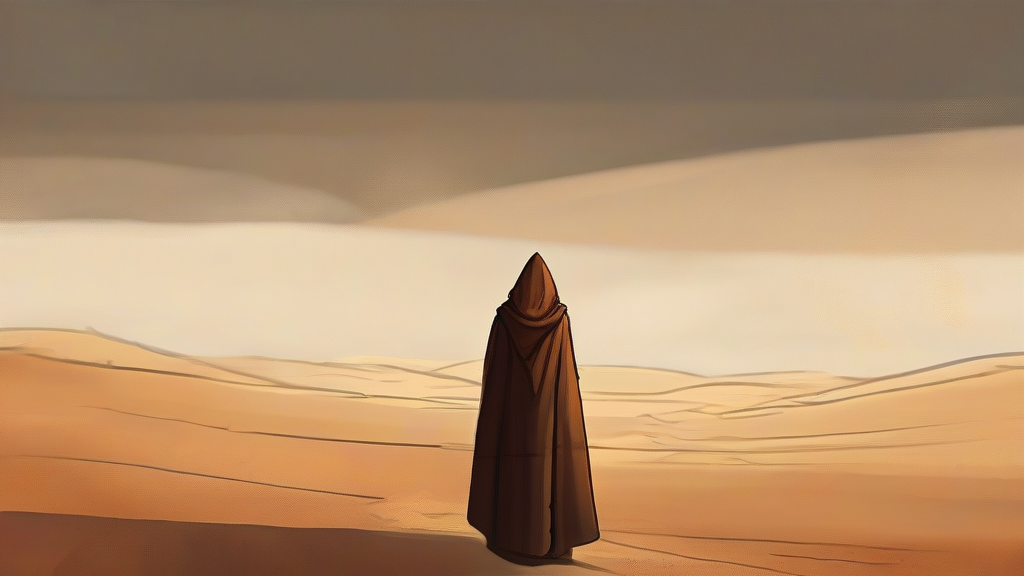
A burnouse (also spelled burnous or burnoose) is a long, loose-fitting cloak with an attached hood, traditionally made from wool and worn by Arab and Berber peoples across North Africa. Typically white, cream, brown, or striped, it serves as protection against both the harsh sun of the day and the cold of desert nights, and remains part of everyday and ceremonial dress in countries such as Algeria, Morocco, Libya, and Tunisia. The garment entered European awareness through travel accounts, military service in North Africa, and orientalist art, so English uses of the word often evoke deserts, caravans, or nineteenth-century adventure fiction. In contemporary writing it appears chiefly in historical, ethnographic, or literary contexts, where it conveys vivid local colour rather than ordinary fashion vocabulary.
nounA burnouse is a long hooded cloak or mantle of wool or other coarse fabric, worn especially in North Africa and by Arab and Berber peoples.
- A long, loose hooded cloak worn in North Africa and the Middle East, traditionally made of woollen fabric.
"The desert guide drew his burnouse tightly around his shoulders against the cold night wind."
"Wrapped in a coarse white burnouse, the shepherd watched his flock at the edge of the dunes."
"In the painting, the dignitary wears a dark burnoose trimmed along the hood."
Standard English plural; occasionally written burnooses following the alternate spelling.
"The market stalls displayed burnouses in white, indigo, and striped patterns."
Reviewed by Deb Chak, Editor. AI-assisted content curated by RJS Tech Solutions LLP.
Etymology of burnouse
The word derives from the Arabic burnus (برنس), the name of the hooded cloak itself, and passed into European languages through French burnous during the period of French involvement in North Africa. It was adopted into English around the early nineteenth century, when British and French travellers and soldiers encountered the garment in the Maghreb. Related terms for traditional North African and Middle Eastern garments, such as djellaba and caftan, entered English by similar routes.
How burnouse is actually used
Both spellings — 'burnouse' and 'burnous' — appear in English texts, with 'burnous' generally more common; the spelling 'burnoose' also occurs. The word carries an exoticising, historical flavour in modern English and appears mostly in travel writing, colonial-era literature, and descriptions of North African dress.
Easily confused with burnouse
Burnous is simply the more common spelling of the same word; 'burnouse' with a final -e is a less frequent variant.