
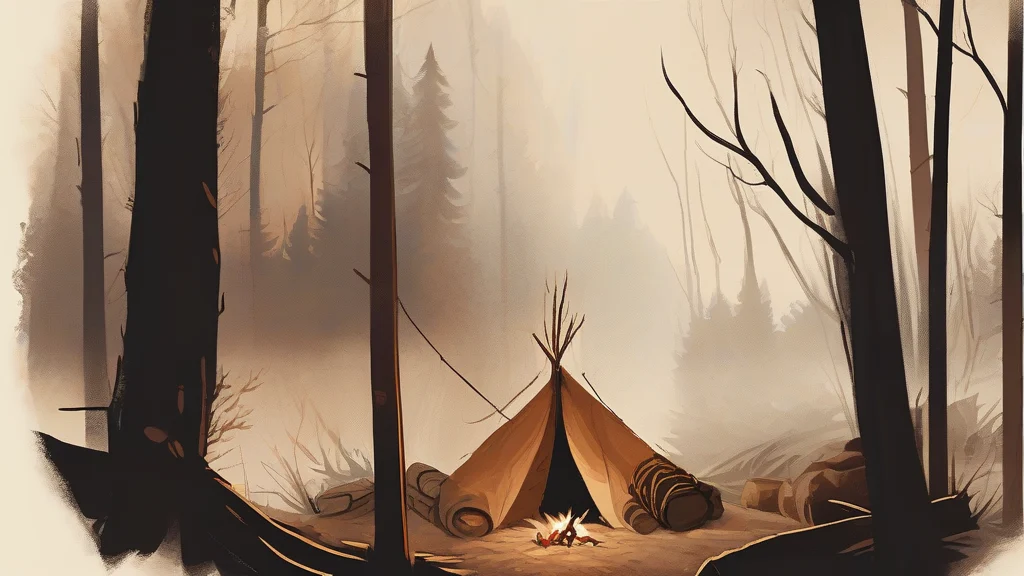
What does bushcraft mean?
Bushcraft denotes the practical knowledge and skills used in wilderness or bushland, especially the ability to obtain food, make shelter, manage fire, navigate, and improvise tools from natural materials. In contemporary English, it usually describes a hands-on, resource-conscious way of living outdoors and may include tracking, foraging, woodworking, and other traditional crafts. Although the term can evoke wilderness survival, bushcraft is not necessarily synonymous with extreme survivalism: it often carries warmer connotations of self-reliance, environmental knowledge, and craft. The word is common in outdoor education, survival training, and recreational activities in Britain, the United States, Australia, and elsewhere in the English-speaking world. It is also used attributively, as in bushcraft skills, to describe a practical and adaptable approach to living outdoors. Because bushcraft is normally treated as an uncountable field or body of knowledge, it is not commonly pluralized.
nounThe art or skill of living in and making practical use of wilderness environments, especially through skills such as fire-making, shelter-building, tracking, foraging, and working with natural materials.
- The practical knowledge and skills required for living in or navigating wilderness environments, particularly those involving natural materials, foraging, fire-making, shelter-building, and other self-sufficient techniques.
"She learned bushcraft during a winter course in the mountains, where she practiced building shelters and finding water without modern equipment."
"The guide taught us the basics of bushcraft, including how to build a simple shelter and start a fire by friction."
"Her interest in bushcraft led to a career leading outdoor education courses for urban schools."
Bushcraft is normally treated as an uncountable field or body of knowledge.
"The training covered bushcraft for a remote, temperate environment."
A shelter, a fire, and sometimes a meal can all begin with what the bush itself provides.
Reviewed by Deb Chak, Editor. AI-assisted content curated by RJS Tech Solutions LLP.
Etymology of bushcraft
Bushcraft is an English compound formed from bush and craft, and it appeared in the early 20th century. The element bush, in the sense of uncultivated land or woodland, ultimately derives from Old French bos, while craft descends from Old English cræft, meaning skill, technique, or ingenuity. The compound acquired its specialized association with practical wilderness knowledge, while woodcraft is a separate but semantically related formation using the same second element.
Related word forms
How bushcraft is actually used
The term is usually neutral or favorable and may suggest self-reliance, practical skill, and close knowledge of the natural environment. It sometimes carries romanticized or survivalist associations, so context may clarify whether it refers to outdoor education, recreation, or preparation for remote living.
Easily confused with bushcraft
Woodcraft refers specifically to skill in working with wood, whereas bushcraft is a broader field of wilderness-oriented skills that may include woodcraft as well as foraging, tracking, fire-lighting, and shelter-building.