What does butterball mean?
A butterball is a small, roundish, pleasantly plump person or animal — most often an affectionate nickname for a chubby baby, toddler, or pet whose rounded shape invites fond teasing. The word combines 'butter,' suggesting softness and richness, with 'ball,' capturing a compact, spherical silhouette, and its tone is warm and endearing rather than critical. In North America the term has two additional lives: as a folksy common name for the bufflehead, a small black-and-white diving duck, and as the trademarked brand name of the best-selling turkey company in the United States, so strongly associated with Thanksgiving that many shoppers say they are buying 'a Butterball' regardless of producer. Informal in register, butterball works well in family conversation, humorous writing, and light prose. Writers should reserve it for genuinely affectionate contexts, since applying it to adults without warmth risks sounding mocking rather than charming.
nounA butterball is a plump, round person or animal, especially a chubby baby or child. It also refers to a North American duck (the bufflehead) and to the trademark name of a popular brand of turkey.
- A chubby, plump person or animal, used affectionately or humorously.
- A North American diving duck, more commonly known as the bufflehead.
- A proprietary brand name for turkeys in the United States.
"The toddler, round-cheeked and wobbly, was affectionately nicknamed 'butterball' by her grandparents."
"Their new puppy was such a little butterball that he could barely climb the stairs."
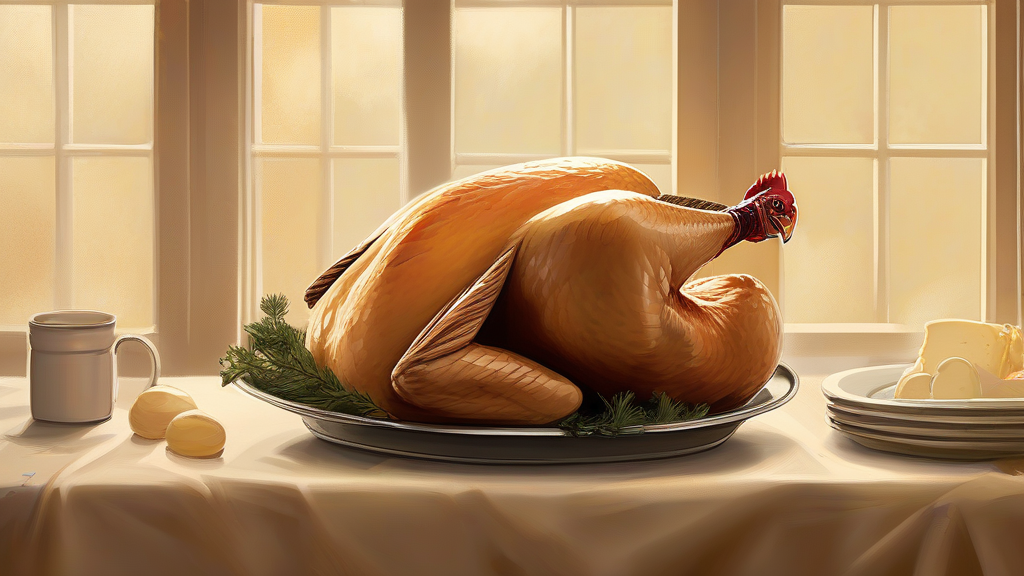
"Mom ordered a Butterball turkey for Thanksgiving dinner this year."
Standard plural; capitalized when referring to multiple birds of the trademarked brand.
"The pond was crowded with little butterballs diving for insects."
In American kitchens every November, one word quietly rules: Butterball — a brand so dominant it has become nearly synonymous with Thanksgiving turkey itself.
Reviewed by Deb Chak, Editor. AI-assisted content curated by RJS Tech Solutions LLP.
Etymology of butterball
Butterball is a straightforward English compound of 'butter' and 'ball,' formed within English rather than borrowed from another language. Both elements trace back through Middle English — 'butter' from Old English 'butere,' itself from Latin 'butyrum' via Greek 'boutyron' (literally 'cow cheese'), and 'ball' from Old Norse 'bollr.' The compound emerged in colloquial American usage, likely in the nineteenth century, as a playful term for anything pleasingly plump. It later became attached both to the bufflehead duck among hunters and naturalists and, from the mid-twentieth century onward, to the well-known turkey brand.
How butterball is actually used
When applied to people, 'butterball' is informal and generally affectionate rather than insulting, though context matters — describing an adult as a butterball can come across as unkind. The capitalized form is a registered trademark of the turkey company and should be capitalized when referring to the brand.
Easily confused with butterball
Though both can describe large animals, a buffalo is a massive wild bovine, while a butterball refers either to something small and plump or to a specific brand of domestic turkey.