What does bypath mean?
A bypath is a small, secondary path that diverges from a main road — the kind of narrow track a walker might take to escape traffic and noise. The word pairs the prefix 'by-,' meaning aside or out of the way, with 'path,' and it has been part of English since at least the early modern period. While its literal sense describes physical routes such as lanes, footpaths, and country tracks, bypath also thrives in figurative use: writers use it to describe obscure branches of knowledge, unconventional career detours, or lines of thought that stray from the mainstream. This gives the word a gentle, exploratory connotation — a bypath is not a wrong turn but an invitation to wander. Somewhat literary in flavor, it appears most naturally in descriptive prose, travel writing, and scholarly reflection rather than casual conversation.
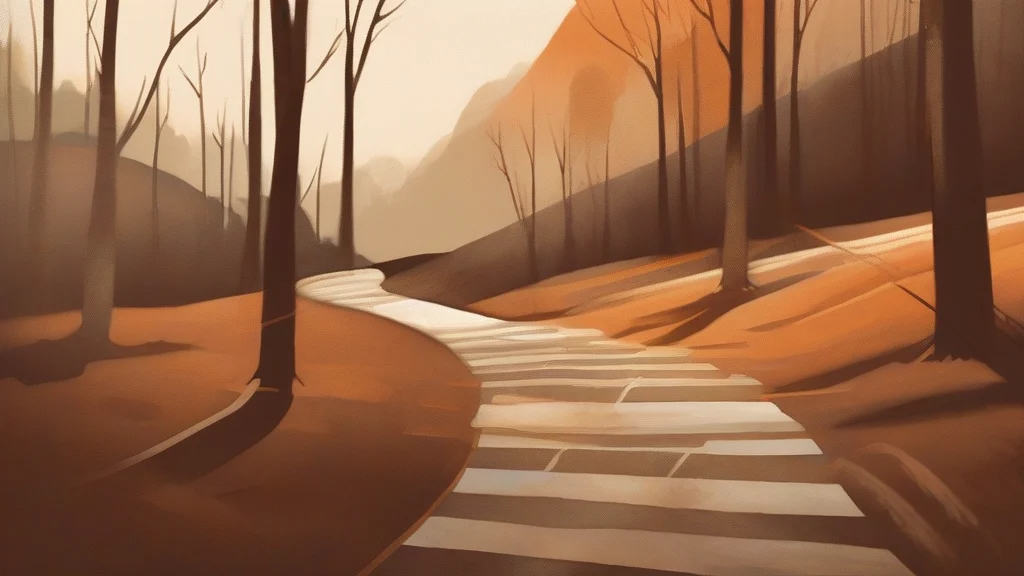
A minor path or track branching off from a main road or route.
"They took a shaded bypath behind the mill to avoid the crowded lane."
A secondary or obscure branch of study, activity, or thought.
"His curiosity led him into bypaths of philosophy rarely visited by his contemporaries."
This figurative sense is somewhat literary and often implies rewarding exploration away from the mainstream.
Standard regular plural; used both literally (for multiple paths) and figuratively (for multiple avenues of inquiry).
"Countless bypaths crisscross the hills above the village."
Bypath literally contains the word 'path' — but figuratively it's how English describes the intellectual detours that lead to the most interesting discoveries.
Reviewed by Deb Chak, Editor. AI-assisted content curated by RJS Tech Solutions LLP.
Etymology of bypath
Bypath was formed in English from the prefix 'by-,' indicating something set apart, secondary, or off the main way, combined with 'path,' from Old English 'pæth,' which ultimately traces back to West Germanic origins. The compound follows the same pattern as older formations like 'byway' and 'byroad,' which likewise denote minor routes beside principal roads. It has been in use since at least the early modern period, appearing in both literal descriptions of countryside travel and figurative discussions of learning and inquiry.
How bypath is actually used
Bypath carries a slightly literary or old-fashioned register compared with everyday terms like 'side road' or 'shortcut.' In its figurative sense it often appears in academic or reflective writing to suggest exploration away from the mainstream.
Easily confused with bypath
A byway is typically a minor public road open to vehicles, while a bypath more often refers to a narrow footpath or, figuratively, a secondary line of inquiry.