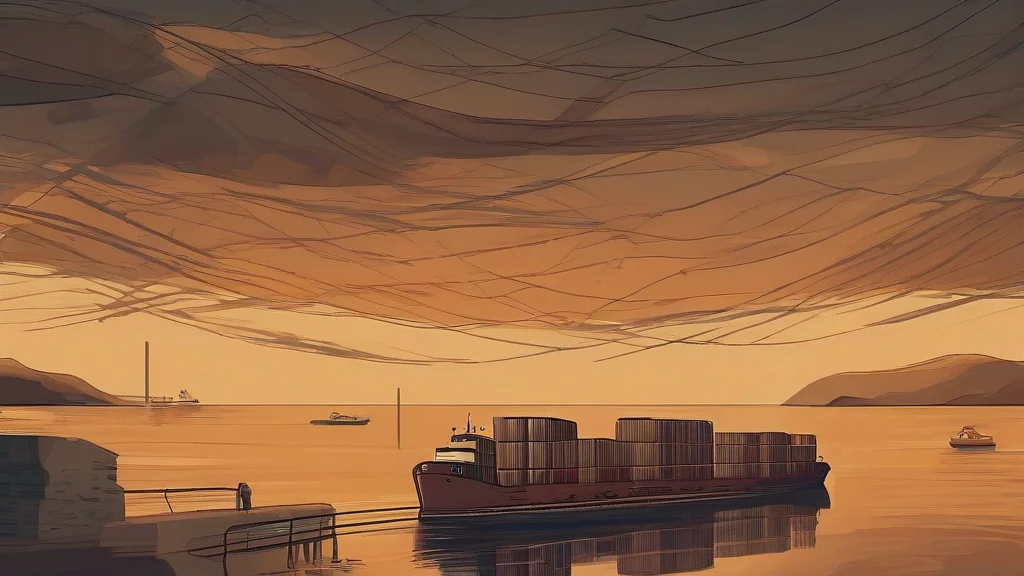
What does cabotage mean?
Cabotage is the transport of goods or passengers between two points within the same country, most classically by ship along a coastline. The term originated in maritime usage, describing vessels that 'coasted' from port to port rather than making ocean crossings, and it has since extended into aviation, where it denotes the right of a foreign airline to carry passengers or cargo on routes inside another country. Because most nations reserve such domestic traffic for their own carriers through restrictive legislation—such as the United States' Jones Act—cabotage frequently appears in political and economic discussions about protectionism, market liberalization, and national security. The word also names those legal rights themselves: granting or withholding 'cabotage rights' is a standard instrument of trade policy. Formal and technical in register, cabotage is essential vocabulary for anyone reading about shipping, aviation regulation, or international trade agreements, where disputes over who may legally move goods within another nation's borders remain contentious.
The carriage of goods or passengers between places within the same country, especially by sea along the coast.
"Coastal cabotage was once the backbone of commerce between the island's fishing villages."
In modern regulatory contexts, the term often denotes the legal right of a foreign carrier to operate such domestic services.
(Aviation) The right of an airline to fly passengers or cargo between two airports within a foreign country.
"Most countries still prohibit foreign carriers from exercising cabotage on their domestic air routes."
Rarely used in plural form; the concept is almost always treated as uncountable, with plural contexts handled by phrases like 'cabotage rights' or 'cabotage rules'.
"Different EU member states have gradually opened up various cabotages to competition."
Every country guards its own waters: 'cabotage' names the centuries-old rule that says a French ship can't just ferry goods from New York to Boston as if it were any other business.
Reviewed by Deb Chak, Editor. AI-assisted content curated by RJS Tech Solutions LLP.
Etymology of cabotage
Cabotage comes from the French word caboter, meaning 'to sail along the coast', which itself derives from cabote, a term for coastal navigation. The word entered English from French in the nineteenth century, retaining its nautical sense before extending to aviation and broader transport policy. Its ultimate deeper origins are uncertain, so no cognate family in English is well established.
How cabotage is actually used
A technical term used mainly in maritime law, aviation regulation, and trade policy; rarely encountered in casual conversation. In aviation contexts it specifically denotes the right of a carrier from one country to operate domestic flights within another. Often discussed in debates over protectionism and free trade.
Easily confused with cabotage
Sabotage means deliberate destruction or obstruction, while cabotage refers to domestic transport of goods or passengers within one country.