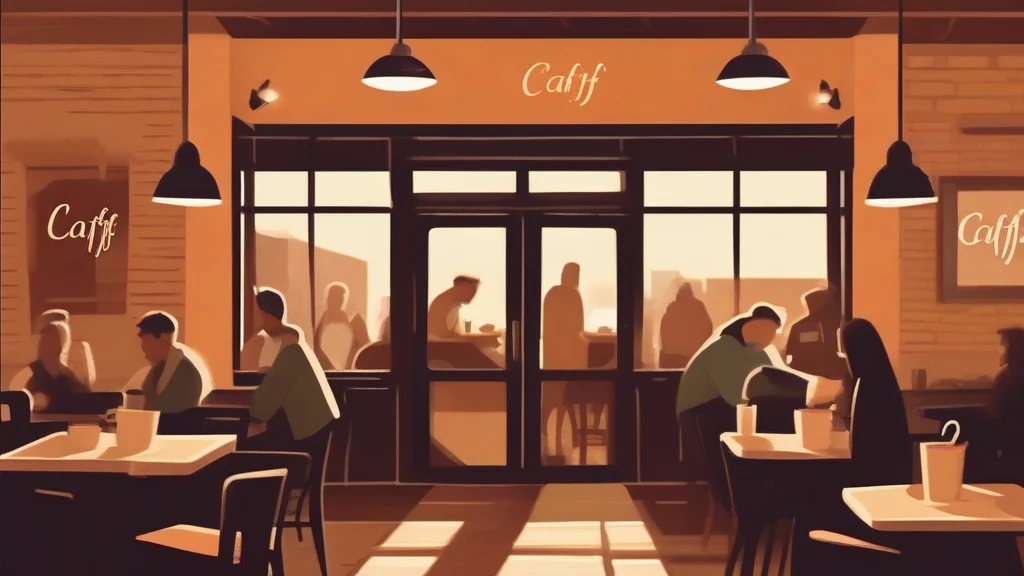
What does caff mean?
Caff is an informal British noun for a small, unpretentious café — the kind of modest establishment serving fried breakfasts, cups of tea, and simple lunches at low prices. It arose as a clipped, colloquial shortening of the word café, shedding its French polish to become a thoroughly vernacular term. A caff typically evokes formica-topped tables, a counter, a menu of staples like beans on toast or a full English breakfast, and a regular clientele of locals and workers. The word is affectionate more than insulting: while it can carry a faint suggestion of shabbiness or greasy-spoon character, many people use it warmly to signal comfort, familiarity, and lack of pretension. Caff is essentially confined to British English; American speakers use terms like diner or coffee shop for comparable places. It appears most often in casual speech and journalism about everyday life, and its charm lies in how it captures a distinctly British institution in a single syllable.
nounA caff is a small, inexpensive café or coffee shop, especially a British one serving simple meals and drinks.
- An informal British term for a small, cheap café serving simple food such as fried breakfasts, tea, and coffee.
"We grabbed a fry-up at the greasy little caff round the corner before work."
"The workers all pile into the same caff every morning for a full English breakfast."
"There's nothing fancy about the place — just a proper old-school caff with formica tables and strong tea."
Standard pluralization; used informally when referring to multiple such establishments.
"The high street used to be full of independent caffs like this one."
'Caff' is what happens when Brits get tired of saying the fancy French word 'café' — they just lopped off the ending and made it sound properly working-class.
Reviewed by Deb Chak, Editor. AI-assisted content curated by RJS Tech Solutions LLP.
Etymology of caff
Caff originated in Britain as an informal clipping of café, the French loanword for a coffeehouse that entered English in the nineteenth century. Rather than borrowing further, English speakers simply truncated the word to its first syllable, producing a colloquial form that reflects the working-class culture of the coffee stalls and cheap eating houses of British towns. Its relatives include the parent word café itself and the broader coffee-related vocabulary such as cafeteria and coffee, all tracing back ultimately to the word coffee's Turkish and Arabic origins.
How caff is actually used
Caff is distinctly informal and chiefly British; it carries warm, nostalgic, or affectionately downmarket connotations rather than being pejorative, though it can be used slightly disparagingly to describe somewhere shabby. It is rarely used outside the UK, where American speakers would say 'diner' or 'coffee shop' instead.
Easily confused with caff
A café is the standard term for any coffee shop or casual eating establishment, while caff is an informal British clipping of that word implying a cheap, unpretentious establishment.
Gaff is British slang meaning a house, flat, or place of entertainment, whereas caff refers specifically to a café.