What does cakewalk mean?
A cakewalk, in modern English, means something exceptionally easy — an effortless task, an overwhelming win. The phrase is informal but widespread, appearing constantly in sports commentary ('that final was a cakewalk') and political analysis. Its origins are richer than its breezy modern tone suggests: the word comes from a 19th-century African American dance, performed with high, prancing steps and exaggerated elegance, in which couples competed for a cake as a prize. The cakewalk spread through minstrel shows into mainstream popular culture, giving its name to ragtime pieces such as Scott Joplin's, and eventually the figurative sense emerged — if you can walk off with the cake without breaking stride, the contest was a cakewalk. Today the historical sense survives mainly in musicology and cultural history, while the everyday meaning of 'something ridiculously easy' dominates. Related expressions include 'a piece of cake' and 'a breeze'.
nounA cakewalk is something that is extremely easy to accomplish; originally it referred to a 19th-century dance contest among African Americans in which the winning couple, judged for their style and grace, won a cake.
- An easy task or victory — by far the dominant modern sense: 'the match was a cakewalk'.
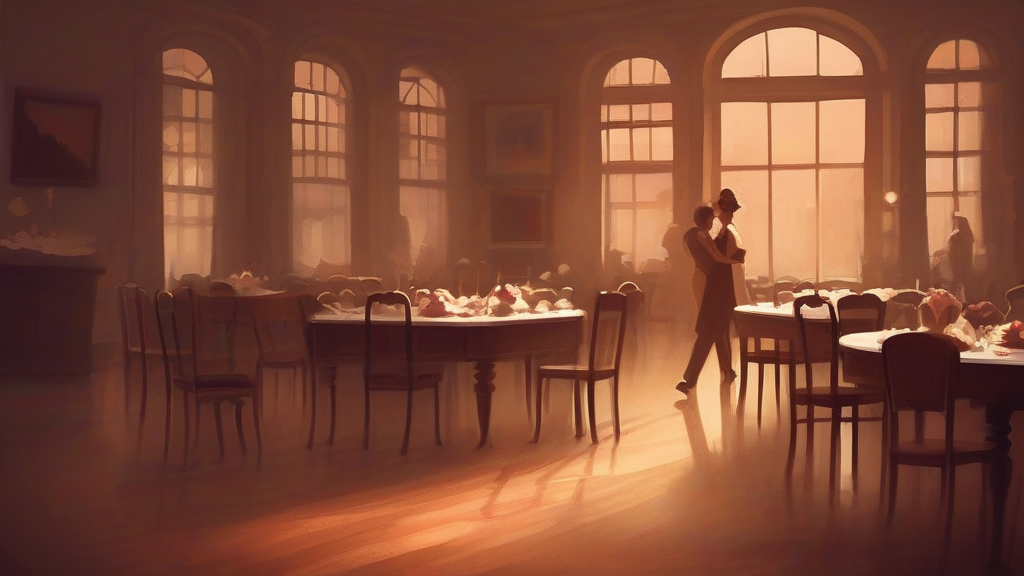
- A historical African American dance performed with exaggerated high steps, developed on Southern plantations in the mid-19th century, in which couples competed for a cake prize.
"Passing the exam was a cakewalk after months of intensive study."
"After acing all her mock exams, the real thing felt like a cakewalk."
"The team's star striker was injured, but they still cruised through what should have been their toughest game — a genuine cakewalk."
Regular plural formation.
"Both semifinals turned out to be complete cakewalks for the top seeds."
The word 'cakewalk' comes from an actual dance contest where enslaved and free Black Americans competed for a real cake — and the phrase became so idiomatic that in 1903 a Broadway show literally titled 'Cakewalk' celebrated it.
Reviewed by Deb Chak, Editor. AI-assisted content curated by RJS Tech Solutions LLP.
Etymology of cakewalk
The word originates in the American South of the mid-19th century, from a dance performed by enslaved Africans and later free Black Americans on plantations, in which couples who displayed the most style and grace won a cake. The term combines the nouns 'cake' and 'walk'. Through minstrel shows the dance entered white popular entertainment and became a nationwide craze in the 1890s–1900s, inspiring ragtime compositions like Scott Joplin's 'Maple Leaf Rag' (whose left-hand pattern echoes the cakewalk rhythm). By the early 20th century, the extended figurative sense — an easy task or effortless victory — had become established, and it remains the standard meaning today.
How cakewalk is actually used
Informal register. In modern usage almost always refers metaphorically to an easy task or lopsided win ('a cakewalk victory'), especially in sports and politics. The literal dance sense is now historical and appears mainly in discussions of African American cultural history — it should be treated respectfully as a significant contribution to American music and dance (ragtime's 'cakewalk' rhythm derives from it).
Easily confused with cakewalk
Cake is the baked dessert itself, while cakewalk refers either to the historic prize-winning dance or, far more commonly today, to any task that is remarkably easy.