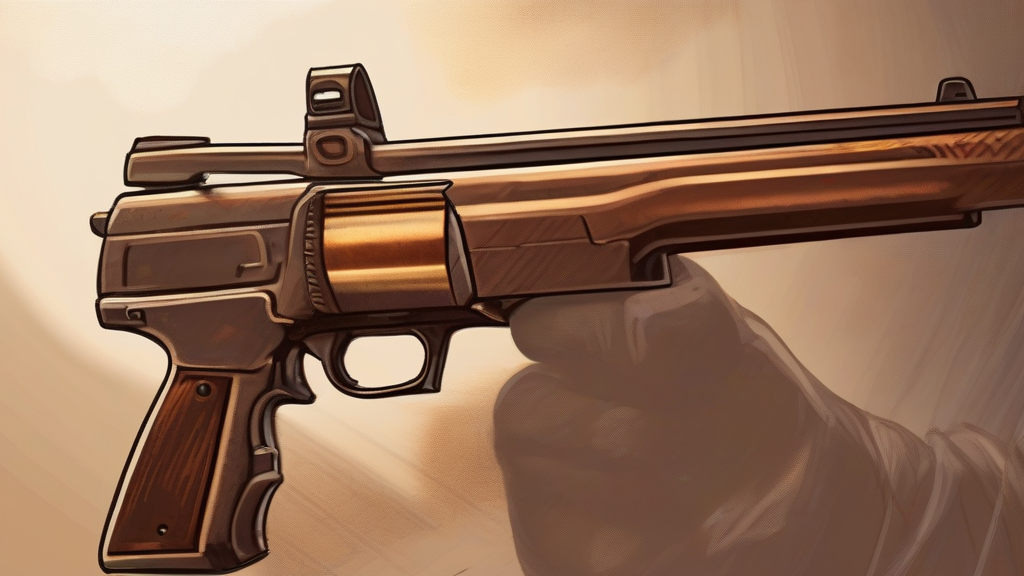
What does calibre mean?
"Calibre" is a noun with two distinct senses. In its figurative and most familiar use, it refers to the quality or level of ability of a person, group, or piece of work: a surgeon "of great calibre" is one whose skill and judgment are outstanding, and the phrase "the highest calibre" often signals excellence in candidates, performances, or scholarship. In its literal sense, calibre denotes the internal diameter of a gun barrel or the diameter of a bullet or artillery shell, typically stated in millimetres or hundredths of an inch — so a "7.62 mm calibre" rifle fires projectiles of that width. The figurative sense predominates in general usage today, appearing in formal writing about recruitment, awards, and institutional standards, while the firearms sense belongs mainly to technical and military vocabulary. British English spells the word "calibre"; American English uses "caliber." The word travelled into English in the early modern period by way of French and possibly Italian, ultimately tracing back to Arabic origins. Its connotation is almost always positive when applied to people or work, implying genuine merit rather than mere competence.
nounThe quality of someone's ability, character, or importance; also, the internal diameter of a gun barrel or bullet, or of a projectile.
- The degree of excellence or quality of a person, work, or thing, especially in terms of ability or character.
- The internal diameter of a gun barrel or the diameter of a bullet or shell, expressed in millimetres or hundredths of an inch.
"She was a scientist of the highest calibre."
"The committee was impressed by the calibre of applicants this year."
"The soldiers carried standard-issue rifles of 7.62 mm calibre."
In American English the plural follows the alternate spelling: "calibers."
"The armoury stored ammunition in several different calibres."
Before it described brilliant minds, calibre measured the width of a gun barrel's bore — a journey that took it all the way from Arabic workshops into everyday English praise.
Reviewed by Deb Chak, Editor. AI-assisted content curated by RJS Tech Solutions LLP.
Etymology of calibre
English acquired "calibre" in the sixteenth century, borrowed from French "calibre," which denoted the bore of a firearm. The French term likely passed through Italian "calibro," and its deeper ancestry is generally traced to Arabic "qālib," meaning a mold or form, though the exact transmission path between Arabic and European languages remains debated. From the concrete notion of a standardized bore dimension, English speakers developed the figurative sense of personal or intellectual quality by the seventeenth century, and the related verb "to calibrate" later arose from the same root.
Related word forms
How calibre is actually used
In British English the spelling is "calibre", while American English uses "caliber". The figurative sense (quality of a person or achievement) carries a positive connotation and appears frequently in formal writing about hiring, awards, and institutions. The literal sense relating to firearms is technical and largely confined to military, sporting, and engineering contexts.
Easily confused with calibre
"Caliber" is simply the American spelling of the same word, while "calibre" is the British spelling.
A caliper is an instrument used to measure thickness or diameter, whereas calibre denotes either quality or the bore diameter itself.