
What does caponata mean?
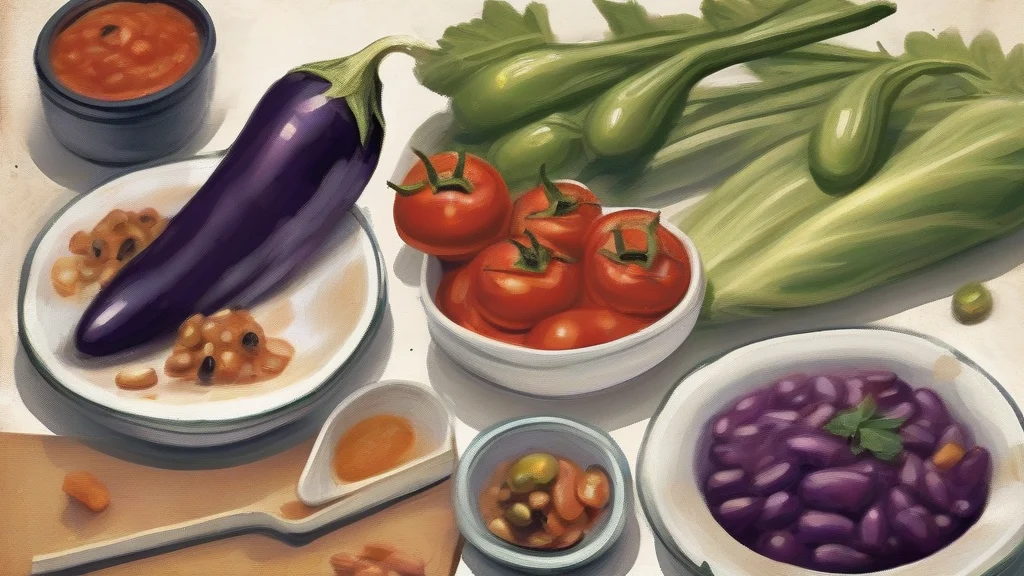
Caponata is a Sicilian vegetable dish best known for its combination of tender eggplant and a sharp, sweet-and-sour dressing. Diced eggplant is cooked with tomatoes, celery, olives, capers, and vinegar, producing a mixture that can be served as an appetizer, relish, or side dish. The dish often has a pronounced savory-sour flavor and may be served warm or at room temperature. Caponata has become familiar in restaurants and home kitchens throughout Britain and the United States, where it is also associated with the broader tradition of Mediterranean antipasti. Although eggplant is its defining ingredient, the name refers to the complete prepared dish rather than to eggplant alone. Caponata is especially useful as a word because it names a specific culinary tradition rather than a general category of stew or salad. Its characteristic balance of acidity, saltiness, sweetness, and savory eggplant makes it a memorable example of the regional ingredients and flavors for which Sicilian cooking is renowned.
nounA Sicilian dish in which diced eggplant is cooked with ingredients such as tomatoes, celery, olives, capers, and vinegar, usually in a sweet-and-sour sauce. It is often served warm or at room temperature as an appetizer or side dish.
- A sweet-and-sour Sicilian dish of cooked eggplant, tomatoes, celery, olives, capers, and vinegar, usually served as an appetizer, relish, or side dish.
"The restaurant served warm caponata with toasted bread as an appetizer."
"We shared a plate of caponata while the main course was prepared."
"A Sicilian caponata is often served with slices of bread or alongside grilled meat."
Caponata is usually treated as a mass noun when referring to the dish in general; the plural is uncommon but can distinguish individual servings or preparations.
"The trattoria offered two caponatas with different toppings."
Sicily's sweet-and-sour eggplant classic is tangy, spoonable, and made for mopping up bread.
Reviewed by Deb Chak, Editor. AI-assisted content curated by RJS Tech Solutions LLP.
Where does caponata come from?
Caponata comes from Italian, where it names the Sicilian preparation and ultimately relates to capone, meaning a capon or castrated rooster. Italian capone derives from Latin capō, "capon," a word also reflected in English capon and French chapon. The name developed within Italian culinary usage, but the modern English sense is firmly associated with the Sicilian dish rather than with the bird from which the vocabulary is ultimately connected.
How caponata is actually used
The term is neutral culinary vocabulary in modern English, though it remains most closely associated with Sicilian cooking. It normally names a finished dish rather than an individual ingredient.
Easily confused with caponata
A capon is a castrated rooster, whereas caponata is an Italian vegetable dish made principally from eggplant.