What does caraway mean?
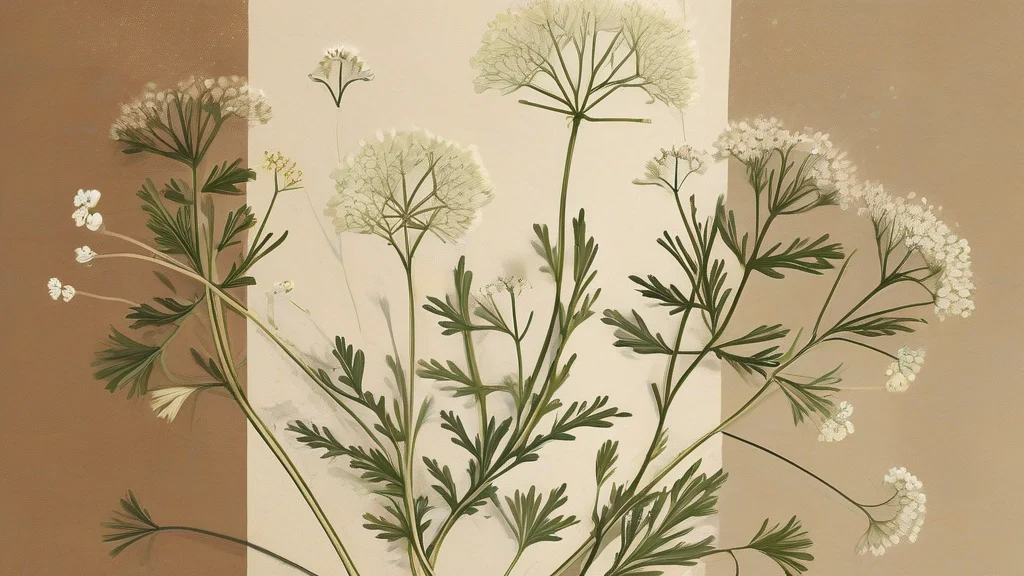
Caraway is a biennial herb of the parsley family, native to Europe and western Asia, best known for its aromatic crescent-shaped seeds. Although commonly called seeds, these are technically dried fruits, and they lend a sharp, warm, faintly sweet anise-like flavour to rye bread, sauerkraut, cheese, sausages, and liqueurs such as kümmel. The word refers both to the spice itself and to the plant that produces it, which bears feathery leaves and small white flower clusters. Caraway has been cultivated since antiquity and remains especially associated with Central and Northern European cooking, where its distinctive taste is a signature of traditional dishes. In modern kitchens it appears whole or ground, often toasted to deepen its aroma. For cooks and readers alike, caraway is a useful word precisely because its flavour is so instantly recognisable once named.
A biennial Eurasian herb of the parsley family (Carum carvi) with feathery leaves, white flowers, and aromatic crescent-shaped fruits.
"Caraway grows readily in temperate gardens and self-seeds freely."
The dried fruit of this plant, resembling a seed, used as a pungent spice to flavour breads, cheese, and meat dishes.
"Add a teaspoon of crushed caraway to the dough before baking."
Rarely pluralised; the spice is normally treated as a mass noun, though 'caraway seeds' is the usual way to express quantity.
"A few stray caraways had fallen onto the cutting board."
Those little 'seeds' in your rye bread aren't really seeds at all — they're the dried fruits of a plant that has been flavouring European food since the Middle Ages.
Reviewed by Deb Chak, Editor. AI-assisted content curated by RJS Tech Solutions LLP.
Etymology of caraway
Caraway entered Middle English from Anglo-Norman and Old French forms such as carvi, ultimately derived from Medieval Latin carui, itself borrowed from Arabic al-karawiyā, which traces back to Greek karon. The word has been used in English since the medieval period, reflecting the spice's long history in European trade and cooking.
How caraway is actually used
In everyday usage 'caraway' most often refers to the seeds rather than the plant; when the whole herb is meant, context usually makes this clear.
Easily confused with caraway
Cumin is a different plant whose longer, straighter seeds have a warm, earthy flavour, whereas caraway's curved seeds are sharper and slightly sweet, typical of rye bread.