What does caregiver mean?
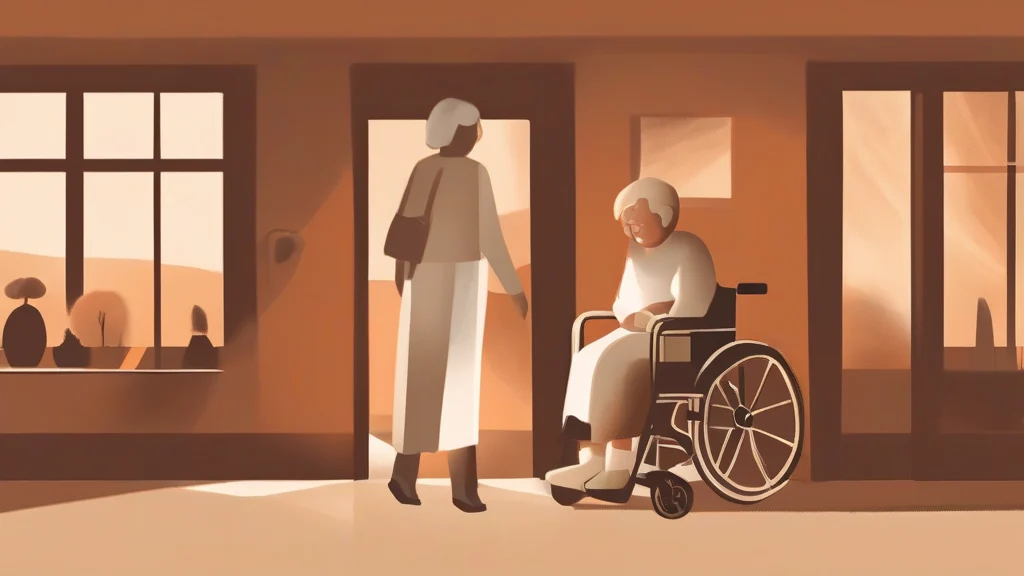
A caregiver is a person who regularly attends to the needs of someone unable to fully care for themselves — whether due to illness, disability, age, or youth. The word is most often applied to family members or friends who look after sick or elderly relatives without pay, though it also covers professional aides, nurses' assistants, and childcare workers. In American English, 'caregiver' is the standard term for this role, whereas British English typically uses 'carer'; in the United States, 'caretaker' usually refers instead to someone maintaining a building or property. The word carries warm connotations of devotion and responsibility, yet it has also become central to serious public discussions about healthcare economics, since unpaid caregivers provide an enormous share of the world's long-term care. Related expressions such as 'caregiver burnout' and 'primary caregiver' appear frequently in medical, legal, and policy contexts, reflecting how essential — and demanding — the role is understood to be.
nounA person who regularly looks after someone who is ill, disabled, elderly, or otherwise unable to care for themselves; more broadly, anyone who provides physical or emotional care to another.
- A person who provides ongoing care for an ill, elderly, disabled, or dependent person, especially a family member.
- More broadly, anyone whose role involves caring for others, such as a childcare worker or healthcare aide.
"As her mother's primary caregiver, Maria balanced a full-time job with daily hospital visits."
"After his stroke, Ed's wife became his full-time caregiver, managing medications and therapy appointments."
"The daycare hired two new caregivers to look after the toddler room."
Regular plural formation; commonly used when discussing caregivers collectively as a group or demographic.
"Millions of unpaid caregivers across the country sustain the healthcare system."
The word 'caregiver' didn't exist before the 20th century — it was coined only when society finally recognized that millions of people were quietly doing the work of nurses without the title or the pay.
Reviewed by Deb Chak, Editor. AI-assisted content curated by RJS Tech Solutions LLP.
Etymology of caregiver
Caregiver is a straightforward English compound formed from 'care,' from Old English 'caru' meaning sorrow or anxiety, and 'giver,' from Old English 'giefan.' Despite its ancient roots, the compound itself is a modern coinage, emerging in American English only in the twentieth century as society sought a name for the growing population of unpaid family members tending to sick and aging relatives. It belongs to a productive family of '-giver' compounds and shares its Germanic roots with words like 'give,' 'gift,' and 'care' themselves.
How caregiver is actually used
The term is neutral to warmly positive in tone and is standard in both medical and everyday contexts. American English strongly prefers 'caregiver,' while British English favors 'carer'; 'caretaker' is common but often implies property maintenance rather than personal care. The word carries connotations of dedication and sacrifice, and phrases like 'caregiver burnout' acknowledge the emotional and physical toll of the role.
Easily confused with caregiver
In American English, a caregiver tends to a person's needs, while a caretaker most often maintains a building or property.
Career means one's profession or course of working life and is unrelated in meaning to caregiver despite the similar spelling.