What does carr mean?
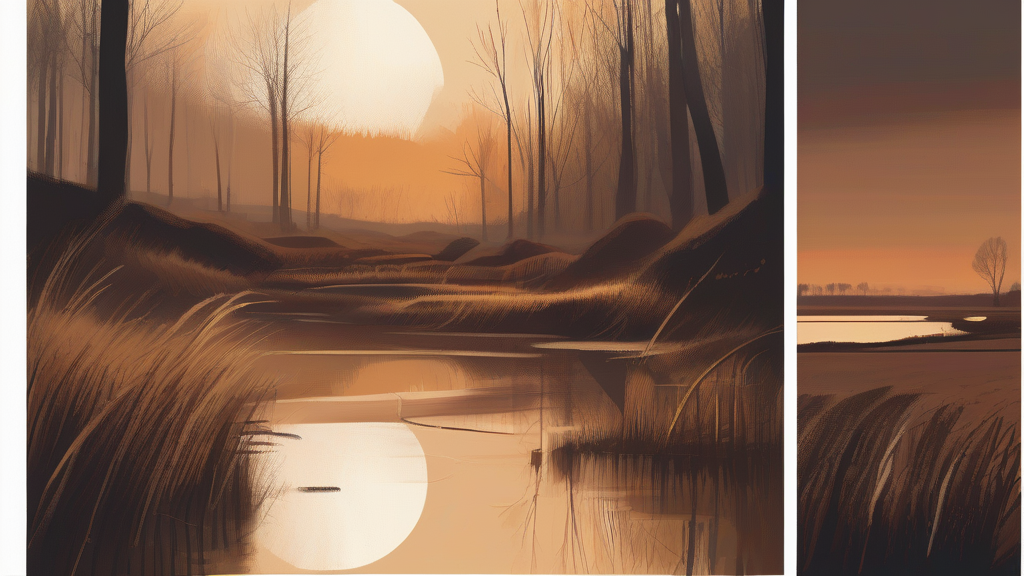
Carr refers to a specific type of wetland ecosystem found primarily in northern England. Characterized by a mix of peat and alkaline soils, carr habitats support a unique community of plants and animals adapted to these conditions. The term is often used in regional and technical contexts, particularly in conservation and ecology. Carrs are typically associated with areas of peatland or fenland and can be an important feature of the landscape in regions such as Yorkshire and Lancashire. Understanding the characteristics and significance of carr ecosystems is essential for effective conservation and management of these environments.
nounA type of wetland or fen, typically found in northern England, characterized by a mixture of peat and alkaline soils.
- A type of wetland ecosystem
- A specific region or area of carr
"The RSPB reserve protects a large area of carr and fenland habitat."
"The nature reserve features a diverse range of habitats, including woodland, heathland, and carr."
"The village is situated near a large area of carr, which is home to many rare plant and animal species."
Used to refer to multiple areas or regions of carr.
"The region features several large areas of carrs, which provide habitat for a range of wildlife."
Reviewed by Deb Chak, Editor. AI-assisted content curated by RJS Tech Solutions LLP.
Etymology of carr
The word 'carr' has its origins in the Old Norse word 'kjarr', meaning 'marsh' or 'fen'. This term was adopted into Middle English as 'carr', initially referring to a type of wetland or marshy area. Historically, the term has been used to describe specific regions or areas of wetland in northern England.
Usage notes
Often used in regional or technical contexts, particularly in northern England.