What does caulis mean?
Caulis is a noun denoting the stem or stalk of a plant, employed almost exclusively as a technical term in botany. When a leaf arises along the main axis of a plant rather than from its base, botanists describe it as cauline — an adjective built directly from this noun. The word descends from Latin caulis, which meant a plant stalk and, more specifically, the stalk of cabbage-like vegetables. That heritage survives in everyday English through 'cauliflower' (literally 'cabbage-flower') and through the related words 'cole' and 'kale.' Although rarely encountered outside scientific prose, caulis is valuable for anyone reading botanical descriptions, where precision about whether foliage is basal or borne on the stem matters. Its scholarly flavor makes it a distinctive addition to vocabulary drawn from classical roots.
nounThe stem or stalk of a plant, used chiefly as a technical term in botany.
- In botany, the main stem or stalk of a plant, especially as distinguished from the roots, leaves, and flowers.
"The leaves were cauline, arising directly from the caulis rather than from the base of the plant."
"Botanists describe a leaf as cauline when it grows along the caulis rather than clustered at the plant's base."
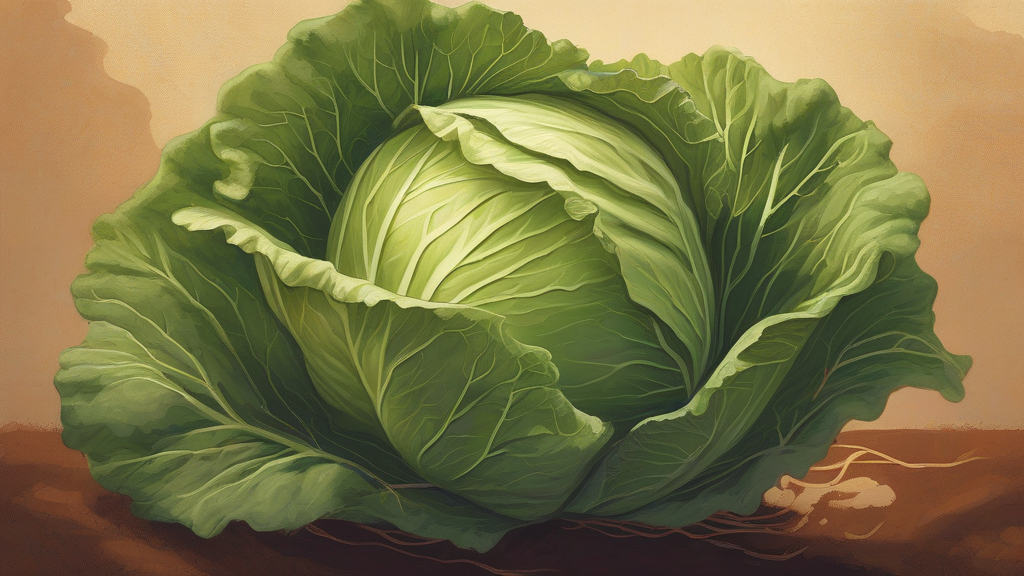
"In classical Latin, caulis referred not just to any stem but specifically to the stalk of a cabbage or similar garden vegetable."
In scholarly and botanical writing, the Latin-style plural 'caules' (pronounced /ˈkɔːliːz/) is standard.
"The herbarium sheets showed several caules cut from mature specimens."
Every time you say 'cauliflower,' you're speaking Latin — that first syllable comes straight from caulis, meaning stalk or cabbage-stem.
Reviewed by Deb Chak, Editor. AI-assisted content curated by RJS Tech Solutions LLP.
Etymology of caulis
Caulis comes directly from Latin caulis, meaning 'stalk, stem,' and particularly the stalk of a cabbage or other pot herb. The Latin word itself is cognate with Greek kaulos, of the same meaning, both tracing back to a common Indo-European root. English borrowed the term as a botanical technicality, and it also underlies the adjective 'cauline' and the nouns 'cole' and 'kale,' which entered English through Germanic routes sharing the same ancient root.
Related word forms
How caulis is actually used
Caulis is a technical or learned term found mainly in botanical writing and dictionaries; ordinary speakers would simply say 'stem' or 'stalk.' Its plural in scholarly usage is usually the Latinate 'caules' (pronounced /ˈkɔːliːz/), though anglicized plurals occasionally appear. The word carries no informal register or figurative use.
Easily confused with caulis
A callus is hardened tissue on skin or a plant wound, while a caulis is simply the stem or stalk of a plant.
A caul is a membrane surrounding a fetus at birth (or a woman's close-fitting head covering), unrelated to the botanical stem sense of caulis.