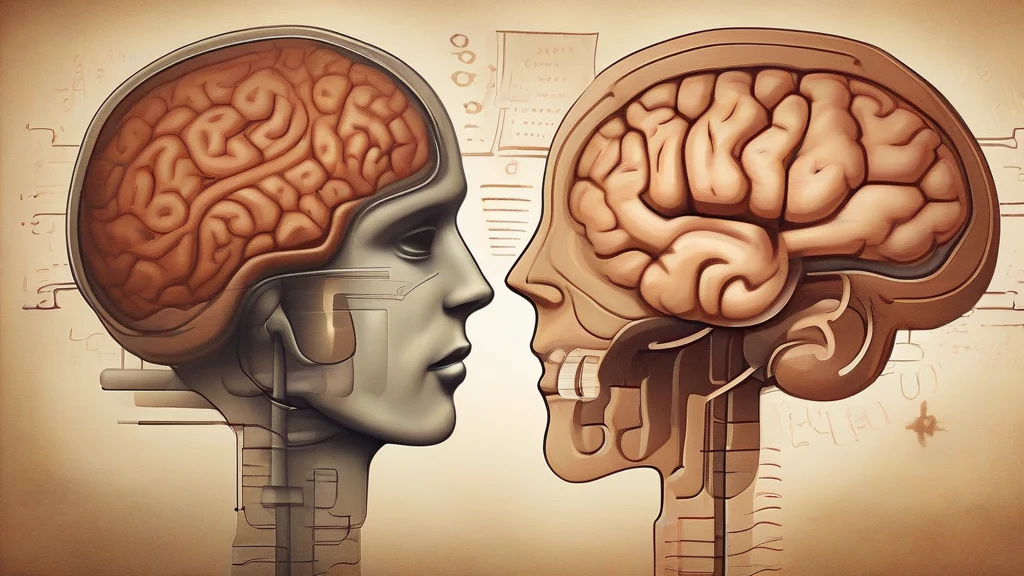
What does cerebral mean?
'Cerebral' is an adjective with two closely related uses. In its literal, primarily medical sense, it means relating to the brain or to the cerebrum, its largest part: doctors speak of cerebral hemorrhages, cerebral palsy, and the cerebral cortex. In its extended sense, it describes things that are intellectual rather than emotional or physical — a cerebral novel, argument, or film is one that engages the mind and demands thought. This figurative use is common in criticism and conversation alike, though it carries a somewhat formal register and can occasionally suggest dryness or detachment, since calling something cerebral often implies it appeals more to reason than to feeling. The word derives from the Latin 'cerebrum', meaning brain, entering English in the early nineteenth century. Its usefulness lies precisely in this double life: it lets speakers move seamlessly between clinical precision about anatomy and nuanced judgments about art, personality, and ideas.
Of or relating to the brain or the cerebrum.
"The patient suffered a cerebral hemorrhage."
Standard in medical terminology.
Intellectual rather than emotional or physical; characterized by appeal to the intellect.
"He preferred cerebral comedies over slapstick."
Slightly formal register; may connote dryness.
Doctors borrowed 'cerebral' straight from the Latin word for 'brain' — and today it describes everything from a type of palsy to a film that makes you think twice.
Reviewed by Deb Chak, Editor. AI-assisted content curated by RJS Tech Solutions LLP.
Etymology of cerebral
'Cerebral' derives from the Latin 'cerebrum', meaning brain, combined with the adjectival suffix '-al'. It entered English in the early nineteenth century as scientific and medical vocabulary expanded alongside advances in neurology. It shares this Latin root with 'cerebellum', the diminutive Latin term for the smaller brain structure below the cerebrum.
Related word forms
How cerebral is actually used
In medical writing, 'cerebral' is strictly anatomical (as in 'cerebral palsy'). In general usage it carries a slightly formal tone and can imply dryness or lack of warmth when describing art or people, so context matters.
Easily confused with cerebral
'Cerebellar' refers specifically to the cerebellum, the part of the brain that coordinates movement, while 'cerebral' relates to the cerebrum or, figuratively, to intellect generally.