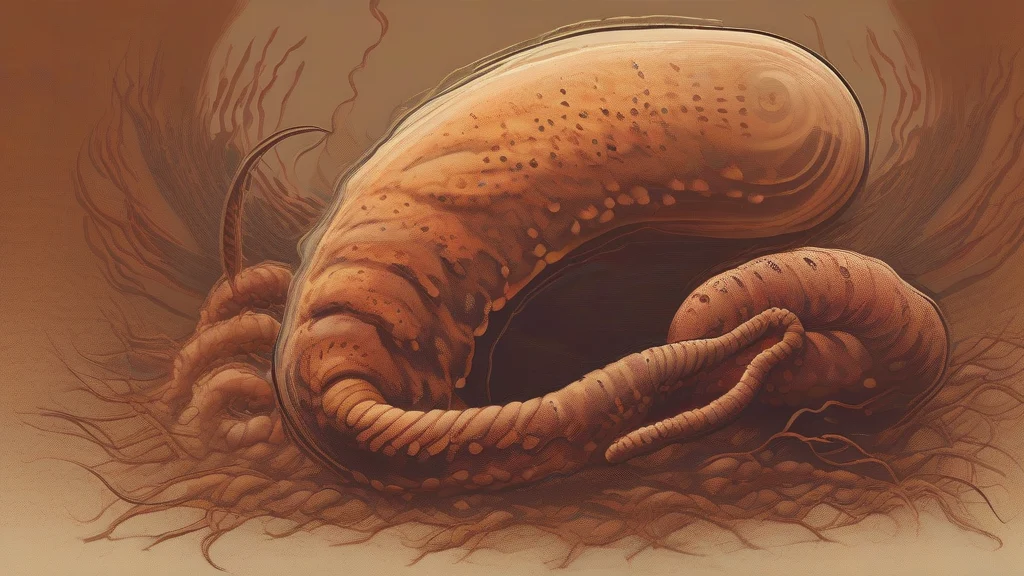
What does chaetal mean?
Chaetal is a technical adjective used almost exclusively in zoology to describe anything relating to chaetae — the stiff, often needle-like bristles that project from the bodies of many annelid worms, especially marine polychaetes, as well as some other invertebrates. These bristles play important roles in locomotion, anchoring, and defence, and their number, shape, and arrangement are among the key features zoologists use to identify and classify species. Consequently, phrases such as "chaetal morphology," "chaetal bundles," and "chaetal sacs" appear regularly in taxonomic descriptions and research papers. The word derives from "chaeta," itself borrowed from the Greek word for a bristle or mane, combined with the adjectival suffix "-al." Because it belongs to specialist scientific register rather than general vocabulary, readers will encounter it chiefly in biology texts; outside that context it would strike most speakers as unfamiliar, making precision of meaning its defining characteristic.
adjectiveRelating to or consisting of chaetae — the stiff bristles or setae found on the bodies of annelid worms such as polychaetes and certain other invertebrates.
- Relating to, bearing, or consisting of chaetae (the bristles or setae of annelid worms and certain other invertebrates).
"The researchers compared chaetal morphology across several species of marine polychaete."
"Variation in chaetal arrangement is often used to distinguish closely related polychaete species."
"Under the microscope, each chaetal bundle revealed fine hairs fringed with minute barbs."
A worm's bristles have their own adjective: when scientists describe the tiny hairs that let a polychaete grip and crawl, they say "chaetal."
Reviewed by Deb Chak, Editor. AI-assisted content curated by RJS Tech Solutions LLP.
Etymology of chaetal
Chaetal derives from "chaeta," the zoological term for a bristle or seta, which was borrowed into scientific Latin from the ancient Greek "chaite," meaning a bristle, mane, or flowing hair. The adjectival suffix "-al" was added to form this derivative, following the regular pattern of anatomical and morphological terminology in English. Its closest relatives are other scientific terms built on the same Greek root, such as "chaetognath," the name for a phylum of bristly-jawed marine worms.
Related word forms
How chaetal is actually used
Strictly technical vocabulary used almost exclusively in zoology, particularly annelid taxonomy and marine biology. It appears mainly in scientific literature rather than everyday English.
Easily confused with chaetal
"Caudal" means relating to the tail, while "chaetal" refers to the bristles (chaetae) on an animal's body.
"Cattle" are domesticated bovine animals; "chaetal" is a technical adjective describing bristles on invertebrates — the words merely sound somewhat alike.