
What does chafing mean?
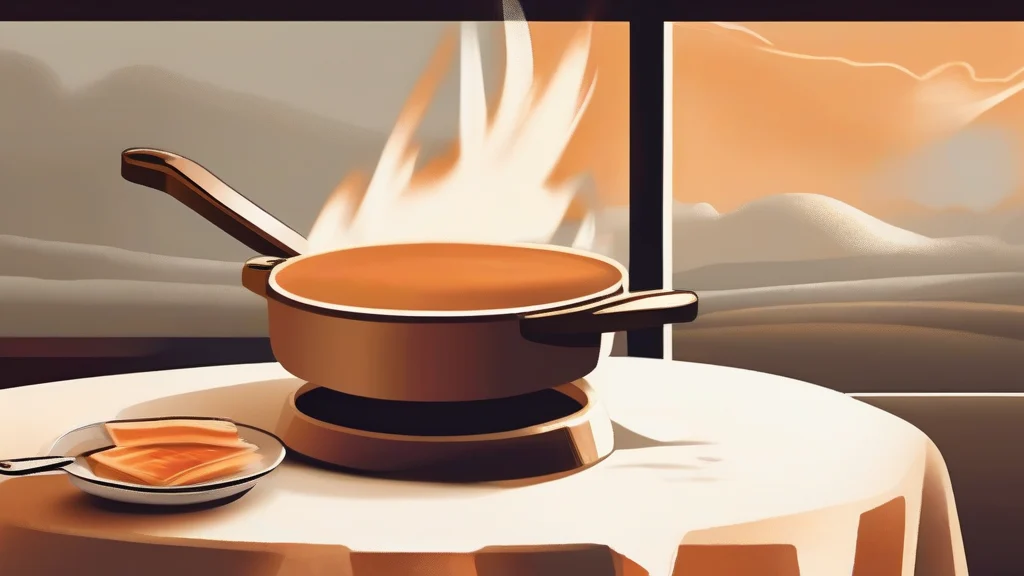
Chafing refers to the irritation or soreness of skin caused by repeated rubbing or friction, most familiar to athletes, hikers, and swimmers who experience it where clothing, gear, or skin surfaces rub together over time. The word can also describe the gradual wearing away of materials through abrasion, and it survives in the fixed term 'chafing dish', a vessel kept warm over a flame for serving food at the table. As a noun, chafing is usually uncountable and carries a mildly unpleasant but practical connotation — it is something people seek to prevent with balms, lubricants, and better-fitting kit. It derives ultimately from the Latin 'calefacere', meaning to make warm, entering English through Old French, so its original sense of heating lingers in the culinary term. Understanding chafing is useful not only for everyday comfort but for reading older texts, where 'to chafe' could mean to warm, to irritate, or even to grow impatient.
Irritation or soreness of the skin caused by repeated friction or rubbing; also, the wearing away of material by abrasion.
"Seams in wet cycling shorts are a common cause of painful chafing on long rides."
Usually uncountable; the countable form appears mainly in the compound 'chafing dish'.
Present participle of 'chafe': to rub and irritate the skin, to wear something away by friction, or figuratively to feel impatient or annoyed at restraint.
"The pack strap was chafing his shoulder by the third mile."
The same Latin root that gave us 'calorie' and 'cauldron' gave us 'chafing' — the word literally began life as a verb meaning to make warm.
Reviewed by Deb Chak, Editor. AI-assisted content curated by RJS Tech Solutions LLP.
Etymology of chafing
Chafing comes from the verb 'chafe', which entered English in Middle English from Old French 'chauffer', meaning to warm, itself from Late Latin 'calefacere', 'to make warm', from 'calere' ('to be hot') — the root behind 'calorie'. In English, the sense shifted from physical warming to the irritation produced by rubbing, since friction generates heat, and later extended to mental irritation or impatience. The culinary term 'chafing dish' preserves the original warming sense.
Related word forms
How chafing is actually used
Most common today as an uncountable noun referring to skin irritation, particularly in fitness and outdoor contexts. The countable use is rare outside 'chafing dish'. As a present participle of the verb 'chafe', it also appears in phrases like 'chafing at the bit' (impatient), though that sense belongs to the verb rather than this noun.
Easily confused with chafing
'Chafing' means skin irritation from rubbing (or warming in a chafing dish), while 'chaffing' means teasing or bantering — a completely different word derived from 'chaff'.