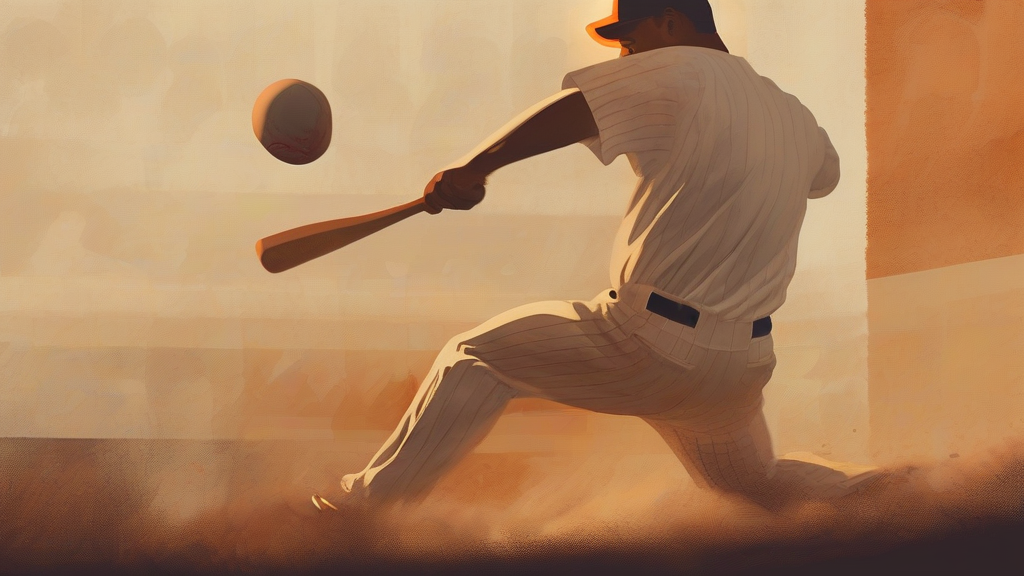
What does changeup mean?
A changeup is a pitch in baseball that is deliberately thrown more slowly than a fastball while using an identical throwing motion, deceiving the batter into swinging too early. Because the pitcher's arm speed and delivery look the same, the batter's timing is disrupted, making the changeup one of the sport's most effective off-speed weapons; famous variants include the circle change and the palm ball. By extension, the word has entered everyday informal English to describe any unexpected alteration to an established plan, routine, or expectation — as when a workplace reorganization or a sudden schedule shift serves as "a real changeup." The term is chiefly American and carries a casual, colloquial register outside of sports contexts. Its enduring appeal lies in the idea of deception through sameness: nothing about the surface changes, yet everything underneath does, which makes the word vivid whether it describes a ninth-strikeout pitch or a surprise twist in daily life.
In baseball, a slow pitch thrown with the motion of a fastball in order to deceive the batter's timing.
"She froze him with a perfectly located changeup."
Commonly modified by adjectives such as "nasty," "filthy," or "devastating" in sports writing.
Informally, an unexpected change or departure from an established routine or plan.
"Moving across the country was quite a changeup for someone so settled in her ways."
Informal and chiefly American; often used where "change" alone would be more neutral.
Standard plural, used mainly when discussing multiple pitches or several instances of unexpected change.
"He threw three straight changeups before challenging the batter with heat."
The changeup is baseball's great con artist: your eyes say fastball, your bat says otherwise.
Reviewed by Deb Chak, Editor. AI-assisted content curated by RJS Tech Solutions LLP.
Etymology of changeup
Changeup derives from the verb phrase "change up," combining "change," from Old French "changier" (ultimately of Latin origin), with the adverb "up." It emerged in American baseball terminology in the late nineteenth or early twentieth century, alongside related coinages like "curveball" and "fastball." The compound reflects the pitch's core mechanic: changing speeds upward in deception rather than velocity. Its figurative, non-sporting sense developed later in American English.
How changeup is actually used
Primarily used in American English and strongly associated with baseball commentary; the figurative sense is informal. Often written as two words ("change up") only when used as a verb phrase meaning to alter something.
Easily confused with changeup
Change-up is simply a hyphenated variant spelling of the same baseball term; both refer to the same off-speed pitch.