What does chapeaux mean?
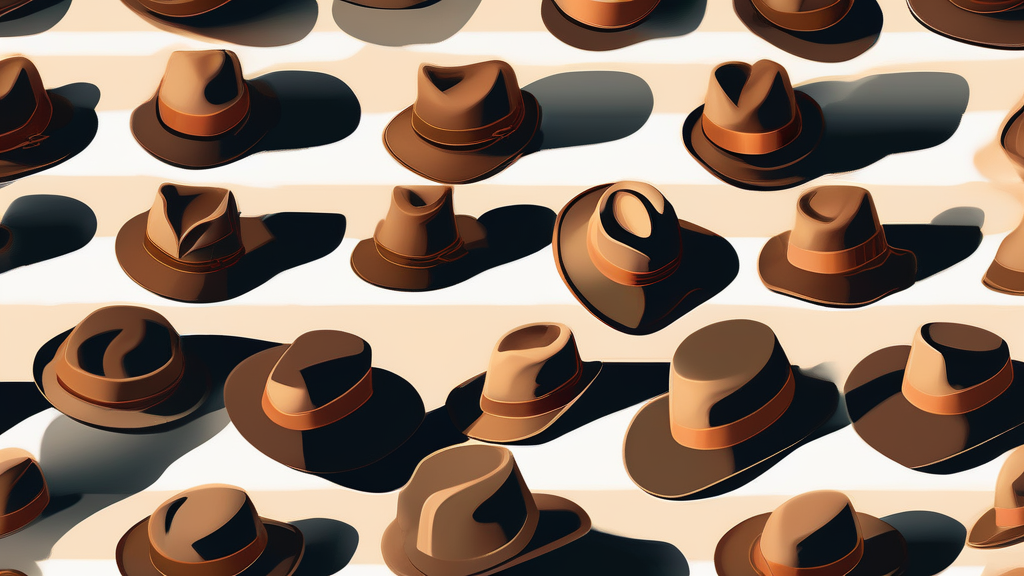
Chapeaux is the plural form of chapeau, a word English borrowed directly from French, where it simply means hat. In modern usage, chapeaux refers to hats, particularly ones that are stylish, decorative, or worn on formal occasions — think wide-brimmed creations adorned with ribbons, feathers, or flowers at a wedding or a horse race. Because of its French origin, the word lends a note of elegance or playfulness that plain 'hats' lacks, which is why it turns up most often in fashion writing, costume description, and lighthearted prose rather than everyday speech. It also survives in the figurative expression to tip one's chapeau, a gesture of greeting, admiration, or respect. While never an everyday word in English, chapeaux remains useful whenever a writer wants to evoke refined, slightly theatrical headwear. Its singular form, chapeau, is considerably more common than the plural.
Plural of chapeau: hats, especially stylish, elaborate, or formally worn ones.
"Elegant ladies in vast feathered chapeaux filled the grandstand."
The spelling chapeaux serves as both the French plural and an accepted anglicized plural; the singular chapeau is much more frequent in English.
Figuratively, a token or gesture of greeting, respect, or congratulation, as in the phrase to tip one's chapeau.
"A tip of the chapeau to the volunteers who made the festival possible."
Both the French-style plural chapeaux and the anglicized chapeaus are accepted, though chapeaux is more common. Pronunciation may follow either the French model or a fully anglicized one.
"The parade was a sea of bright chapeaux bobbing above the crowd."
English borrowed 'chapeau' straight from French for 'hat' — so when you tip your chapeau, you're being fancy in two languages at once.
Reviewed by Deb Chak, Editor. AI-assisted content curated by RJS Tech Solutions LLP.
Etymology of chapeaux
Chapeau comes from Old French chapeau, meaning hat or hood, which derives from late Latin cappa, a term for a cloak or hood-like covering — the same Latin root that gives us cap, cape, and chapel (originally a shrine housing a saint's cloak). The plural chapeaux follows the French pattern, using -x rather than the English -s. English adopted the word from French, likely in the early modern period, retaining its original sense of a hat.
Related word forms
How chapeaux is actually used
Chapeaux is the anglicized plural; the French-style plural is also chapeaux (pronounced with a silent final consonant in French). The word carries a slightly whimsical, elegant, or old-fashioned connotation in English and appears most often in fashion writing, historical contexts, and humorous or ornate prose. The singular 'chapeau' is far more common than the plural.
Easily confused with chapeaux
A chateau is a French castle or large country house, whereas chapeaux are hats — the two differ by a single letter but denote entirely different things.