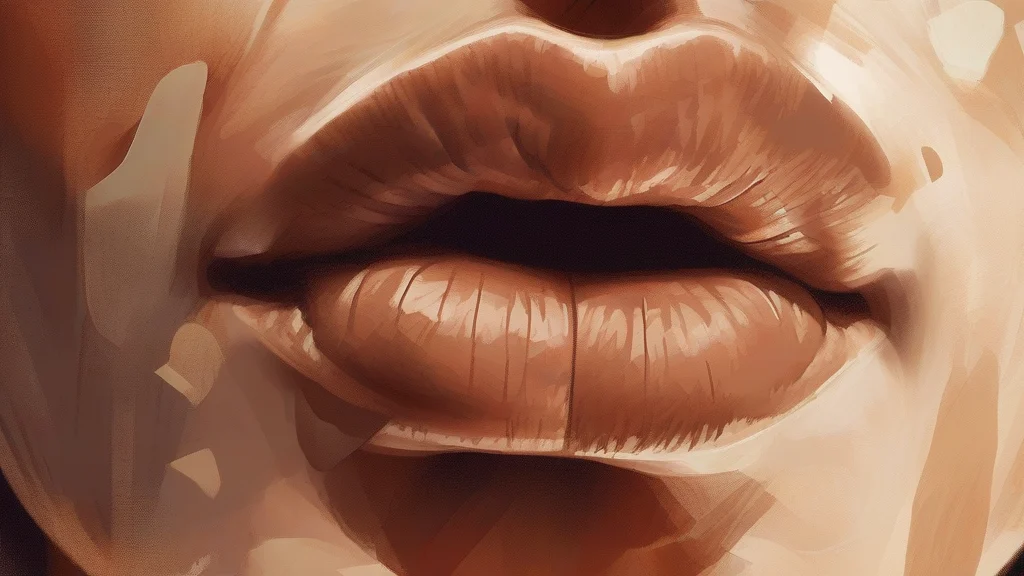
What does chapping mean?
Chapping refers to the cracking and roughening of the skin — most often on the lips, hands, knuckles, and cheeks — brought on by exposure to cold air, wind, or low humidity. The word also serves as the gerund and participle of the verb 'to chap', which describes both the process by which skin splits in harsh weather and, by extension, the way materials such as wood or painted surfaces develop fine cracks. Chapping is an everyday word with a practical, slightly old-fashioned flavor, common in winter-health advice and skincare contexts: balms, creams, and scarves are recommended to prevent it. It should not be confused with 'chafing', which results from friction rather than drying. Rooted in Middle English, the term survives today chiefly because the discomfort it names is so universally experienced during cold months.
Cracked or roughened skin resulting from exposure to cold, wind, or dryness.
"Constant handwashing led to painful chapping on her knuckles."
Typically uncountable; used in phrases like 'prone to chapping' rather than with a plural form.
Present participle and gerund of 'chap': to cause or develop cracks, especially of skin exposed to cold or dryness, or of a surface such as wood or paint.
"His lips were chapping badly after two days of skiing in the wind."
Usually found in progressive constructions ('is chapping') or as a gerund ('prevents chapping').
Rarely used in the plural; 'chapping' is almost always treated as an uncountable noun referring to the condition or process in general.
"The ointment prevented the seasonal chappings that had troubled him every winter."
Reviewed by Deb Chak, Editor. AI-assisted content curated by RJS Tech Solutions LLP.
Etymology of chapping
Chapping derives from the verb 'chap', which comes from Middle English 'chappen', meaning to split or crack. The verb is Germanic in origin, related to words for splitting or cleaving, and it has been applied to cracked skin since at least the early modern period. Its closest relatives are its own derivative forms, notably the adjective 'chapped'; no widely known foreign cognates are firmly established.
Related word forms
How chapping is actually used
The word is most common in discussions of skin care and cold-weather ailments and carries a mildly clinical but everyday register. In American English, 'chapstick' as a genericized trademark reflects how familiar the underlying verb is. When applied to non-skin surfaces like wood or paint, it is somewhat less common than 'cracking' or 'checking'.
Easily confused with chapping
'Chafing' is skin irritation caused by friction or rubbing (as from clothing), whereas 'chapping' is skin cracking caused by cold, wind, or dryness.