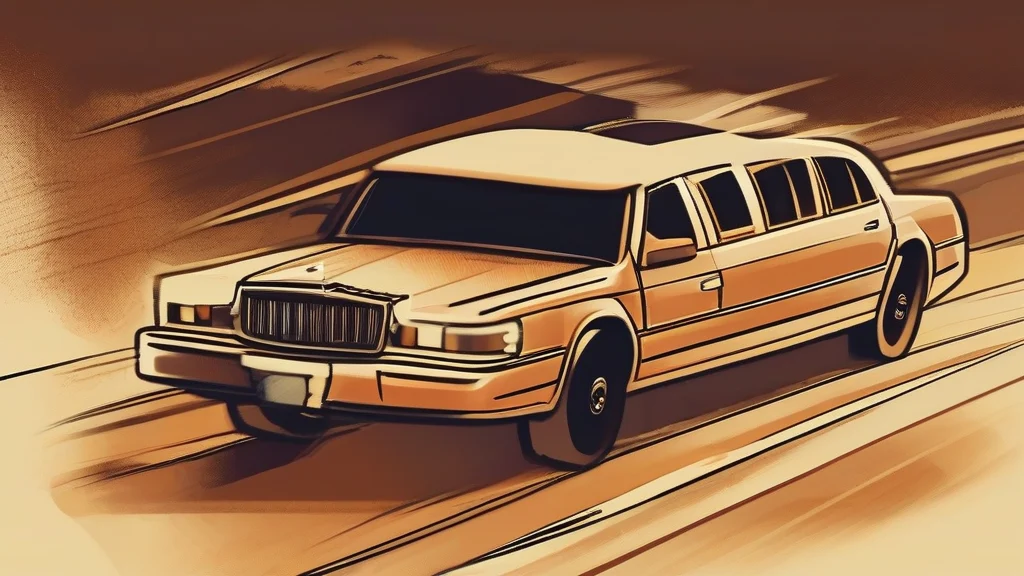
What does chauffeuring mean?
Chauffeuring is the act of driving someone in a car as a paid service or personal duty — the work performed by a chauffeur, whether employed by a private household, a limousine firm, or a hotel. The word most often appears as a verb form: one might be chauffeuring clients to the airport, chauffeuring a bride to her wedding, or chauffeuring children to after-school activities. Beyond its literal professional sense, it has developed a familiar figurative use, especially in American English, where parents describe themselves as chauffeuring their kids around town, a usage that conveys affectionate exasperation at endless hours behind the wheel. The term derives from the French chauffeur, meaning stoker, because the earliest automobile drivers tended the boilers of steam-powered vehicles. Today the word evokes luxury, discretion, and service — the polished world of black cars and uniformed drivers — while remaining perfectly at home in ordinary conversation about everyday errands and school runs.
The occupation or activity of driving a person in a private vehicle as a service.
"Chauffeuring occupied much of his time during the diplomatic visit."
Frequently used as a gerund following verbs like 'do' or phrases like 'take up'.
Present participle of chauffeur: to drive someone in a vehicle as a driver.
"He spent the afternoon chauffeuring guests from the airport to the estate."
A chauffeur was originally the man hired to shovel coal into your car's boiler — 'chauffeur' literally means 'stoker' in French, from heating engines before it meant driving them.
Reviewed by Deb Chak, Editor. AI-assisted content curated by RJS Tech Solutions LLP.
Etymology of chauffeuring
Chauffeuring comes from chauffeur, a French noun meaning 'stoker', derived from the verb chauffer, 'to heat', which traces back through Vulgar Latin to the Latin root calere, 'to be warm'. When automobiles first appeared, drivers who tended steam engines' fires were called chauffeurs, and the term shifted in English to mean any hired driver. English words sharing this warm-rooted ancestry include chafe (from Old French chaufer) and nonchalant, whose sense of indifference originally suggested being without warmth or heat.
Related word forms
How chauffeuring is actually used
Often used figuratively or half-jokingly for parents or friends who spend long hours driving others around informally; this extended use carries a mildly wearying, dutiful connotation. The word is standard in both British and American English.
Easily confused with chauffeuring
Chafing means rubbing skin raw with friction (or keeping food warm at a buffet), while chauffeuring means driving someone around as a driver.