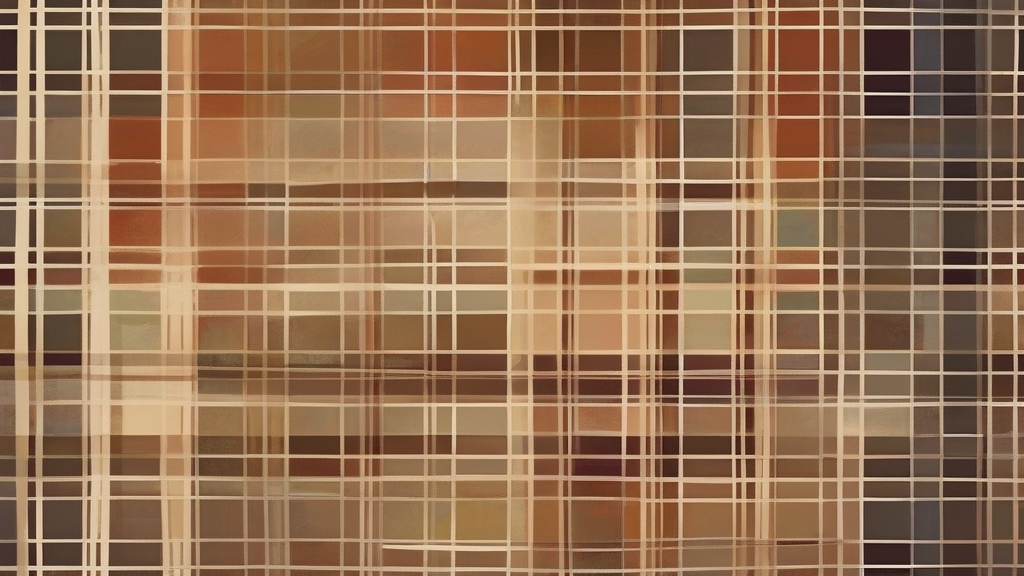
What does chequy mean?
Chequy is a technical adjective from heraldry, the system by which coats of arms are precisely described. A shield that is chequy is covered in a regular pattern of alternating squares, exactly like a chessboard, typically rendered in two contrasting tinctures such as gold and blue. In formal blazon one might describe arms as 'chequy or and azure', meaning the field is divided into golden and blue squares. The word derives ultimately from the vocabulary of chess, sharing an ancestor with 'check', 'checker', and even the British 'cheque' — all tracing back through Old French eschequier, referring to the chessboard itself. Because chequy belongs almost entirely to the specialized language of armory, it is rare outside genealogical literature, museum catalogues, and discussions of noble lineages, where precision matters more than accessibility.
adjectiveDivided into a regular pattern of squares of alternating tinctures, as in heraldry; a shield or charge described as chequy bears a chequered design like a chessboard.
- (Heraldry) Divided into a regular pattern of alternating square tinctures, resembling a chessboard; said especially of a field.
"The family's arms were blazoned as chequy or and azure, a striking grid of gold and blue across the shield."
"The arms of the old earldom are chequy gules and argent, quartered with the lion rampant of his mother's line."
"In the museum's manuscript, each knight's banner was painted differently — some barry, some paly, and one boldly chequy."
When a herald wanted to say 'chequered', he didn't borrow a kitchen-table word — he borrowed straight from the game of kings: chequy literally means chessboard.
Reviewed by Deb Chak, Editor. AI-assisted content curated by RJS Tech Solutions LLP.
Etymology of chequy
Chequy entered English from Old French eschequier, the word for a chessboard, which itself traces back through medieval Latin scaccarium to the Persian-derived name of the game of chess. The same root produced English 'check', 'checker', and 'exchequer' — the latter originally the checkered cloth over which royal accounts were tallied in Norman England. Adopted as a term of blazon during the Middle Ages, chequy has remained part of the stable technical vocabulary of English heraldry ever since.
How chequy is actually used
Strictly technical vocabulary confined to heraldry and blazon; it appears almost exclusively in formal descriptions of coats of arms, genealogical works, and antiquarian writing. The spelling 'chequy' is standard in British heraldic practice; American texts sometimes use 'checky'. It follows the noun it modifies in traditional blazon ('Or and azure chequy' or 'chequy Or and azure').
Easily confused with chequy
Checkered is the ordinary English word for any chequered pattern, while chequy is the precise technical term used only in blazoning coats of arms.
A cheque is a written order to a bank to pay money; chequy is a heraldic adjective describing a chequered pattern on a shield, despite their shared spelling root.