
What does chevelure mean?
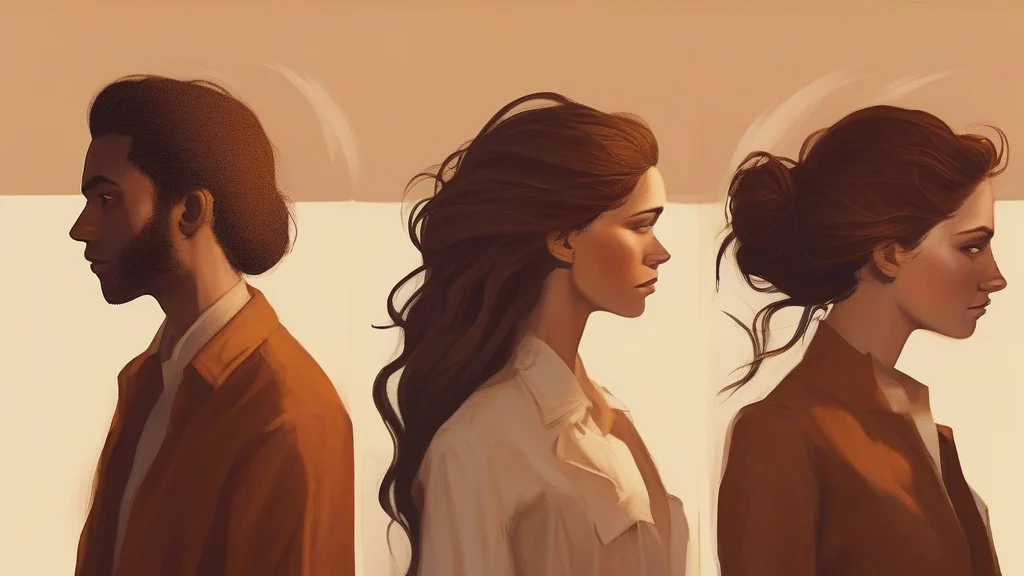
Chevelure is a formal English noun for a person’s hair considered as a whole, especially when it is abundant, long, or flowing. Rather than referring to individual strands, it evokes the overall visual effect of a full head of hair and often suggests beauty, elegance, or a romantic, dramatic appearance. The word is chiefly literary and poetic, so “hair” or “locks” would usually be more natural in ordinary conversation. Chevelure is normally used in the singular, and its plural is rare. The noun comes through French from Latin capillus, “hair,” the same root that produced English words such as capillary. Although uncommon in daily speech, it is valuable when atmosphere matters, because it can turn a brief description into a vivid image of flowing hair with associations that plain “hair” may not carry as strongly.
nounA head of hair, especially long, full, or flowing hair. In literary use, it treats the hair collectively and often suggests luxuriance or beauty.
- The hair of the head considered collectively, especially a luxuriant, long, or flowing head of hair.
"A gust of wind lifted the dancer's dark chevelure as she spun beneath the lights."
"A gust of wind lifted the dancer's dark chevelure as she spun beneath the lights."
"The narrator lingered over the old man's silver chevelure as though it held the memory of another age."
The plural is rare; the noun is normally treated as a mass noun in the singular.
"The artist's studies depict several distinct chevelures."
Chevelure entered English from French, but in everyday speech it still sounds like a character stepping out of a period novel.
Reviewed by Deb Chak, Editor. AI-assisted content curated by RJS Tech Solutions LLP.
Where does chevelure come from?
Chevelure was borrowed from French chevelure, meaning “a head of hair,” which is traceable to Old French cheveu. Cheveu comes from Latin capillus, “hair,” the same ultimate source as English capillary and capillarity. English retained the French-derived literary sense of the collected hair of the head.
How chevelure is actually used
Chiefly formal, literary, or poetic; rare in contemporary everyday English. It usually denotes the mass of a person's hair rather than individual strands and often carries associations of abundance, beauty, or elegance. It is normally used in the singular.