What does chintz mean?
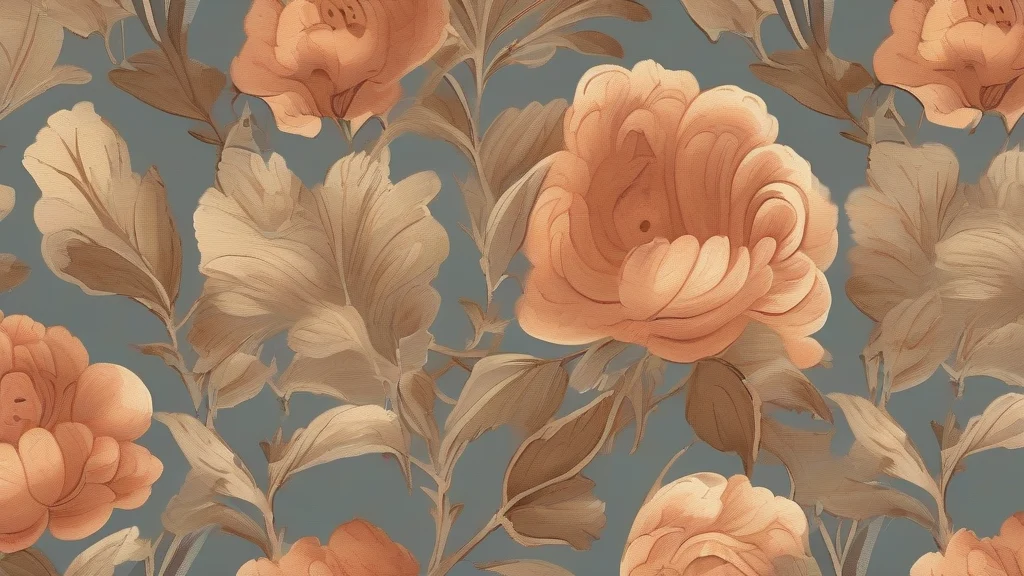
Chintz is a cotton fabric characterized by printed designs — most often flowers — and frequently finished with a glossy glaze that gives it a subtle sheen. Originating in India, where finely painted and printed cottons were produced for centuries, it became enormously fashionable in Europe during the seventeenth and eighteenth centuries, so much so that both Britain and France restricted its importation to shield their domestic textile trades. Today, chintz is most closely associated with home furnishings: curtains, cushions, slipcovers, and upholstery, where it lends a cheerful, traditional, sometimes deliberately nostalgic character to a room. Because of these associations, the word has spawned the adjective 'chintzy,' used informally to describe décor or design that seems fussy, dated, or cheaply showy. The fabric itself, however, remains valued for its durability, vivid patterning, and classic place in English country-house and cottage interiors.
nounChintz is a printed, often glazed cotton fabric used especially for curtains and upholstered furniture, typically decorated with floral or figured patterns.
- A printed, usually glazed cotton fabric with floral or other decorative patterns, used for curtains, upholstery, and clothing.
- (Informal, via the adjective 'chintzy') Cheap-looking, showy, or old-fashioned decoration of the kind associated with the fabric.
"The sitting room was brightened by chintz curtains patterned with roses."
"She recovered the armchair in a cheerful yellow chintz."
"The hotel's lobby felt dated, all heavy drapes and faded chintz."
In everyday usage chintz is usually treated as uncountable, since it denotes a type of fabric rather than countable items; the plural 'chintzes' occurs mostly in textile trade, retail, or historical writing when referring to individual cloths or varieties.
"The shop stocked dozens of chintzes, each printed with a different floral design."
Chintz was once so coveted that 18th-century Britain and France banned importing it to protect their own textile industries.
Reviewed by Deb Chak, Editor. AI-assisted content curated by RJS Tech Solutions LLP.
Etymology of chintz
The word chintz entered English in the early seventeenth century from Hindi and Urdu 'chīṭ,' meaning a spotted or variegated cloth, itself ultimately linked to related terms in Indo-Aryan languages describing speckled textiles. It arrived alongside the fabrics themselves, which were imported from India by European trading companies and prized for their brilliant, fast colors. The plural is conventionally 'chintzes,' though the word is often treated as uncountable when referring to the material generally.
Related word forms
How chintz is actually used
Chintz is a neutral term for the fabric itself, but it carries connotations of traditional, sometimes old-fashioned domestic style — hence the informal adjective 'chintzy,' which is mildly derogatory when applied to décor considered cheap or overly ornate.