
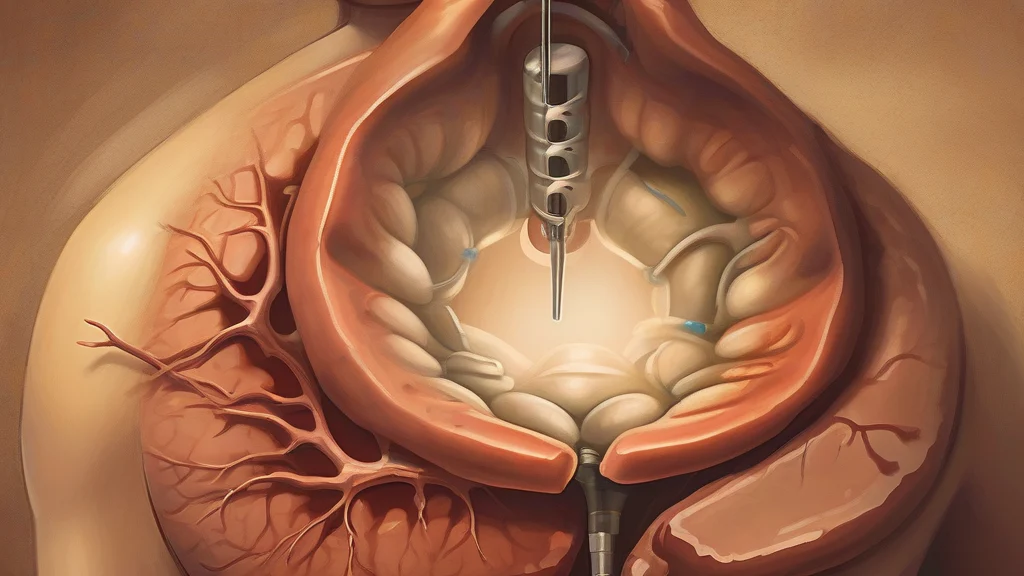
What does cholecystectomy mean?
Cholecystectomy is the surgical removal of the gallbladder, a small pear-shaped organ that stores and concentrates bile produced by the liver. The procedure is commonly performed for symptomatic gallstones, cholecystitis, bile-duct obstruction, or other gallbladder disorders. It can be carried out through several small incisions using a laparoscope or, less commonly, through an open abdominal incision. The term is principally used in medicine and appears frequently in discussions of postoperative recovery, digestive symptoms, and complications. Although removal changes where bile is stored, many people continue to digest food normally because bile can pass directly from the liver into the intestine. Cholecystectomy is useful as a vocabulary word because it combines recognizable anatomical and surgical elements: the gallbladder is the cholecyst, and the operation is an excision. Knowing the term also helps distinguish the operation itself from cholecystitis, which is inflammation of the gallbladder and may sometimes require surgery.
nounSurgical removal of the gallbladder, usually to treat conditions such as symptomatic gallstones, inflammation, or obstruction. It may be performed by laparoscopic or open surgery.
- The surgical operation for removal of the gallbladder.
"Her symptoms improved dramatically after a laparoscopic cholecystectomy."
"The surgeon recommended a laparoscopic cholecystectomy to treat her recurrent gallstones."
"The study compared recovery times after laparoscopic and open cholecystectomy."
Used when referring to multiple gallbladder-removal operations.
"The surgeon has performed more than two hundred cholecystectomies."
After gallbladder removal, many people can still digest food normally—the liver simply stores and concentrates bile that flows directly into the intestine.
Reviewed by Deb Chak, Editor. AI-assisted content curated by RJS Tech Solutions LLP.
Where does cholecystectomy come from?
The word combines the New Latin form cholecyst- with the surgical suffix -ectomy. Cholecyst- comes from Greek cholē, meaning "bile," and kystis, meaning "bladder," while -ectomy derives from Greek ektomē, meaning "excision" or "a cutting out." The resulting term follows established English patterns for naming operations that remove particular organs, and related medical words such as cholecystitis, cholecystography, and cholecystoscopy share the same cholecyst- element.
How cholecystectomy is actually used
This is a formal medical term used chiefly in clinical and surgical contexts. It denotes the operation or procedure, whereas phrases such as "post-cholecystectomy" refer to conditions or care following the operation.
Easily confused with cholecystectomy
Cholecystectomy is the surgical removal of the gallbladder, whereas cholecystitis is inflammation of the gallbladder.