What does chromo mean?
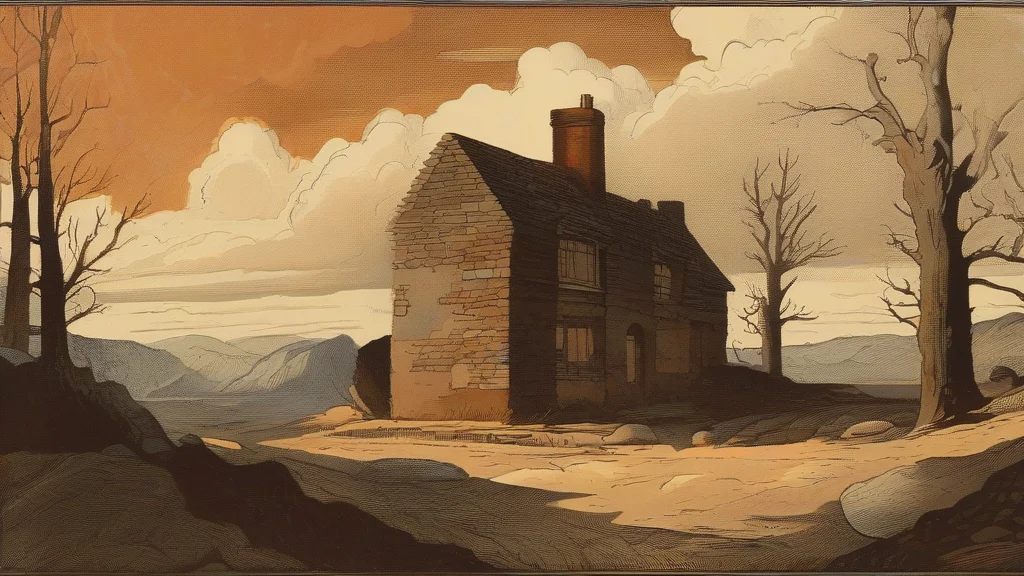
A chromo is an informal, chiefly historical name for a chromolithograph — a picture printed in several colours using lithography. In the second half of the nineteenth century, chromos were produced on an enormous scale and sold cheaply across Britain and America, bringing colour images into ordinary homes for the first time. They typically depicted sentimental subjects such as landscapes, flowers, religious scenes, and portraits, and were framed and displayed in parlours much as posters are today. Because they were mass-produced and often garish, 'chromo' gradually acquired connotations of cheapness and artistic vulgarity, and collectors and historians now value them as documents of Victorian taste. The word derives from Greek chrōma, meaning 'colour', and survives mostly in discussions of printing history and antique collecting rather than everyday speech.
nounAn informal or dated term for a chromolithograph — a picture printed in multiple colours from a series of lithographic stones or plates; by extension, any cheaply produced colour print of this kind.
- A chromolithograph: a picture printed in colour from lithographic plates, especially one of the inexpensive mass-produced kind popular in the 19th century.
"The parlour wall was hung with sentimental chromos of roses and sailing ships."
"She collected Victorian chromos at flea markets, drawn to their garish colours."
"A faded chromo of Queen Victoria still hangs above the fireplace."
Standard plural; used when referring to several prints.
"He filled two scrapbooks with Victorian chromos bought for pennies at estate sales."
Before photography could be printed in colour, millions of Victorian homes were decorated with 'chromos' — cheap mass-produced colour prints so ubiquitous they became a byword for kitsch.
Reviewed by Deb Chak, Editor. AI-assisted content curated by RJS Tech Solutions LLP.
Etymology of chromo
Chromo originated in the mid-nineteenth century as a shortened form of 'chromolithograph', itself built from Greek chrōma ('colour') and lithos ('stone'), since the images were printed from limestone slabs or metal plates prepared like stone. It entered English during the boom years of commercial colour printing, when firms in Britain, Germany, and the United States churned out millions of these affordable pictures. The same Greek root gives English words such as chromatic, monochrome, and polychrome, all sharing the sense of colour.
How chromo is actually used
Informal and somewhat old-fashioned; the word belongs largely to 19th-century usage and to discussions of Victorian decorative art, where it can carry mildly pejorative connotations of cheapness or bad taste.
Easily confused with chromo
'Chrome' refers to the metallic element or its bright plating (and is the root of 'chromo-'), whereas a 'chromo' is specifically a coloured lithographic print.