
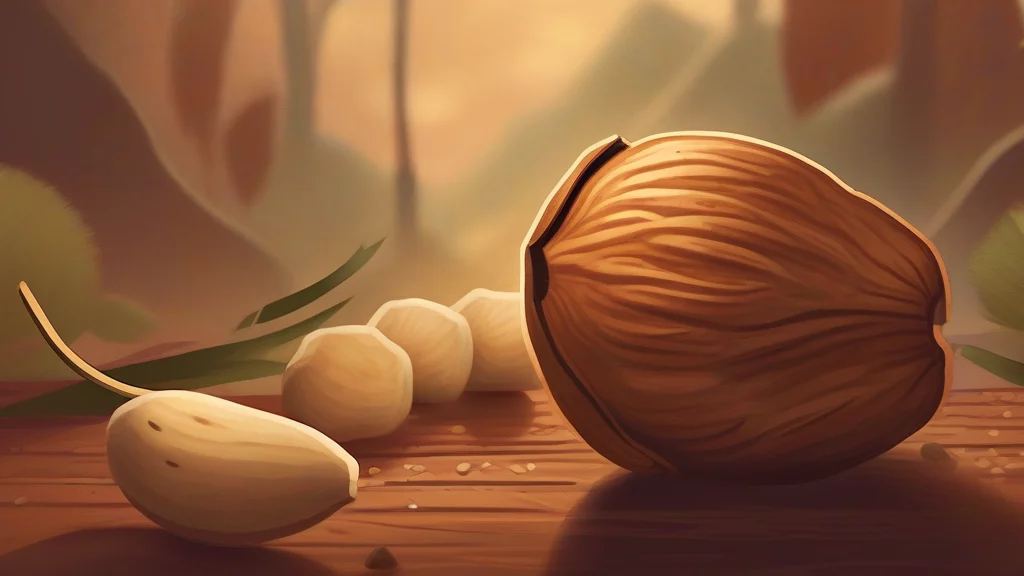
What does chufa mean?
Chufa is an uncommon English noun for the tiger-nut sedge, Cyperus esculentus, and especially for the plant’s small edible underground tubers. These structures resemble nuts in taste and use but are botanically tubers, not true tree nuts. In culinary contexts, chufa may be eaten raw, roasted, or ground, and its oil is extracted for food and cosmetic use. The term comes from Spanish and is especially associated with Spain and other Mediterranean food traditions, although English speakers may encounter it in botanical, agricultural, and natural-products discussions. It is more precise than tiger nut when the speaker wants to identify the plant or crop rather than the snack-like tuber, and it gives ordinary food writing a specific, mildly exotic character. Because chufa is uncommon in everyday speech, a speaker may need to explain it, but it is valuable to anyone interested in roots, traditional tubers, or alternative cooking oils.
nounThe tiger-nut sedge (Cyperus esculentus) and, more particularly, its edible underground tubers. Chufa tubers can be eaten raw, roasted, or ground, and are also pressed to produce chufa oil.
- The edible tuber of the tiger-nut sedge, Cyperus esculentus.
- The tiger-nut sedge plant itself.
"The bakery ground roasted chufa into a flour for its traditional flatbread."
"The chef roasted the chufa until its edges became crisp and sweet."
"Farmers in Spain cultivate chufa in sandy soil and harvest its tubers in autumn."
Chufa is often used collectively for the crop or its tubers; the plural chufas is used when individual plants or tubers are counted.
"The market stall displayed baskets of freshly harvested chufas."
The tiny “tiger nuts” sold as snacks are not true nuts at all—they are underground tubers from a sedge.
Reviewed by Deb Chak, Editor. AI-assisted content curated by RJS Tech Solutions LLP.
Where does chufa come from?
The English word is borrowed from Spanish chufa, where it has long been used for the tiger-nut sedge and its edible tubers. Its introduction into English reflects the cultivation and international trade of this distinctive Mediterranean crop, particularly in Spanish food and agricultural contexts. English names such as tiger nut and earth almond are descriptive equivalents rather than regular inflections of the loanword.
How chufa is actually used
Chufa is specialist rather than everyday vocabulary. It is most familiar in botany, agriculture, Spanish cuisine, international food trade, and discussions of alternative cooking oils.