What does clambake mean?
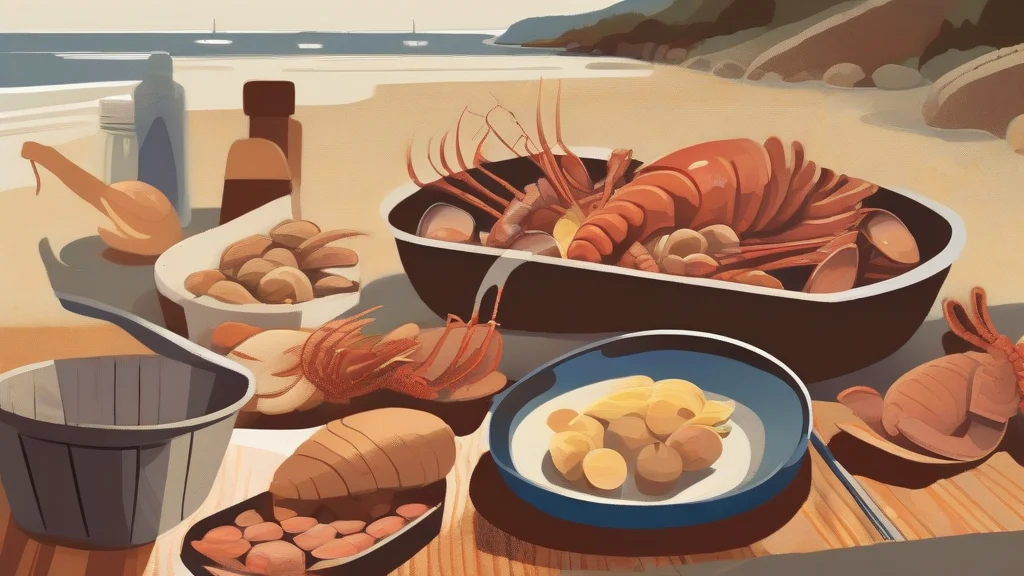
A clambake is an American tradition, rooted in the coastal communities of New England, in which clams, lobster, corn on the cob, potatoes, and other fare are cooked outdoors in a pit layered with fire-heated stones and fresh seaweed, whose moisture creates the steam that cooks the food. The result is both a meal and a social event: clambakes are typically large, relaxed summer gatherings held on beaches or in backyards, prized for their conviviality as much as their food. In modern usage the term has loosened somewhat — a 'clambake' may involve simply steaming shellfish in pots rather than digging a proper pit — but it always suggests an informal, abundant seafood feast. The word carries warm, festive connotations and is firmly associated with American, particularly northeastern, culture, making it a flavorful example of how a regional cooking method gave its name to an entire style of celebration.
nounAn outdoor social gathering, traditionally held on the beaches of New England, at which clams and other foods such as corn, potatoes, and lobster are steamed over hot stones and seaweed; more broadly, any large festive picnic or party featuring seafood.
- A New England–style outdoor gathering where clams, lobster, corn, and other foods are steamed in a pit layered with hot stones and seaweed.
- Any festive outdoor party or picnic centered on seafood, often prepared by simpler methods such as steaming in a pot.
"Every August the town throws a traditional clambake on the beach, steaming the clams over seaweed-covered coals."
"They dug a pit in the sand for the clambake, layering it with seaweed, lobsters, and ears of sweet corn."
"Rather than a formal dinner, they hosted a casual clambake in the backyard with big pots of steamed clams and chowder."
Standard pluralization; used when referring to multiple such events or gatherings.
"Cape Cod summers are famous for their clambakes."
The original New England clambake wasn't cooked on a grill at all — it used a pit lined with heated stones and layers of fresh seaweed, essentially turning the beach into a natural steam oven.
Reviewed by Deb Chak, Editor. AI-assisted content curated by RJS Tech Solutions LLP.
Etymology of clambake
The word clambake combines 'clam', a native English borrowing from an unknown source recorded from the early sixteenth century, with 'bake', reflecting the cooking method of burying food in a heated earth oven. The practice itself derives from the cooking techniques of Native American peoples of the northeastern coast, which European settlers adopted along the New England shoreline. It is a purely American formation with no cognates elsewhere in the English-speaking world, though its components are common Germanic-rooted English words.
How clambake is actually used
The word is distinctly American, strongly associated with coastal New England and its culinary traditions. In extended use it carries warm, convivial connotations of summery informality and abundance rather than referring strictly to the pit-cooking technique.
Easily confused with clambake
A cookout is a general term for any outdoor meal cooked over a grill or fire, while a clambake specifically features clams and other seafood cooked with seaweed and steam.