What does claymore mean?
A claymore is a word with two strikingly different referents. Historically, it names the large two-handed broadsword carried by Scottish Highlanders between roughly the fifteenth and seventeenth centuries, recognizable by its long blade and distinctive cross-hilt. In contemporary usage, however, 'claymore' far more commonly refers to the M18 Claymore, an American anti-personnel mine that launches hundreds of steel balls outward in a directed arc when triggered. Both senses derive from the Scottish Gaelic phrase claidheamh mòr, meaning 'great sword,' which explains why the mine inherited the name of the blade. Today the word appears chiefly in military writing, historical accounts, museums, and fantasy fiction, where the sword sense retains romantic associations with Highland warfare. Because the two meanings are unrelated in function but linked in origin, context usually makes clear which one is intended; modern readers encountering 'claymore' without further qualification should generally assume the mine.
nounA claymore is either a large two-handed Scottish broadsword of the 15th–17th centuries, or an anti-personnel mine designed to scatter steel balls in a directional blast.
- An anti-personnel landmine (the M18 Claymore) that propels steel fragments in a directed blast toward its target.
- A large, two-handed Scottish broadsword with a distinctive cross-hilt, used from roughly the 15th to the 17th centuries.
"The highlander gripped his claymore with both hands as the charge began."
"Sappers carefully wired the claymore into the defensive perimeter before nightfall."
"Museums display surviving claymores alongside dirks and targes from the same Highland tradition."
Standard pluralization applies in both senses: multiple swords or multiple mines are called claymores.
"The armoury catalogued dozens of claymores recovered from the battlefield."
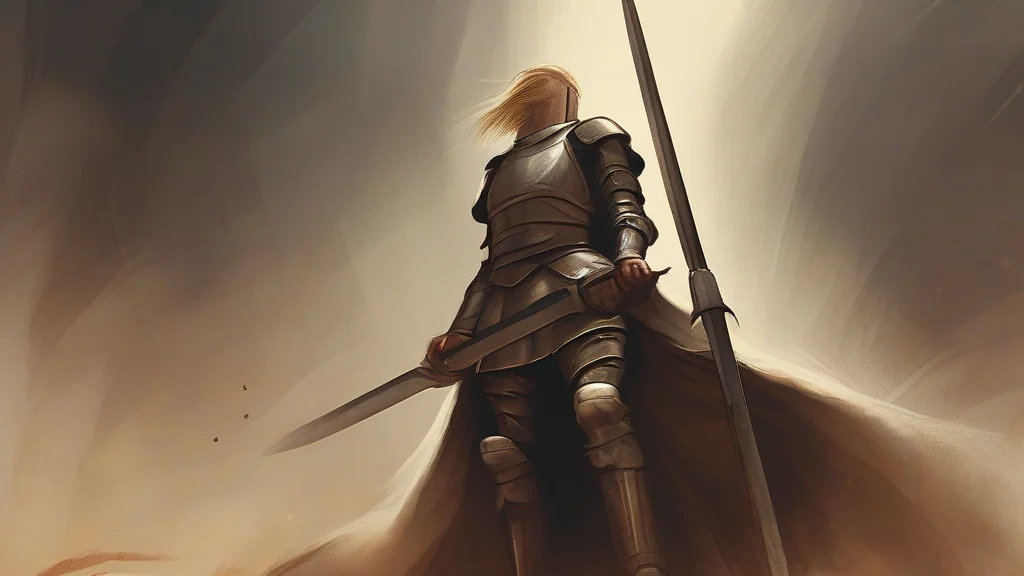
One word, two weapons: a Highland greatsword swung by clan warriors and a Cold War-era mine that fires hundreds of steel balls at its target.
Reviewed by Deb Chak, Editor. AI-assisted content curated by RJS Tech Solutions LLP.
Etymology of claymore
Claymore comes from Scottish Gaelic claidheamh mòr, literally 'great sword,' combining claidheamh ('sword') with mòr ('large'). The term was applied to the massive two-handed broadswords used by Highland clansmen from around the fifteenth century onward. Centuries later, the name was transferred to the American M18 anti-personnel mine developed during the Korean War era, which took 'Claymore' as its designation. The Gaelic root also underlies related Highland weaponry terms such as claidheamh dà làimh ('two-handed sword').
How claymore is actually used
In modern usage, especially in military contexts, 'claymore' almost always refers to the mine rather than the sword. When referring to the historical sword, writers often say 'Scottish claymore' or 'Highland claymore' to make clear which sense is meant. The word carries martial connotations in both senses and appears mostly in military, historical, or fantasy writing.
Easily confused with claymore
Clay is a natural earthy material used for pottery, whereas claymore is a weapon — the shared spelling element does not indicate any relation in meaning.