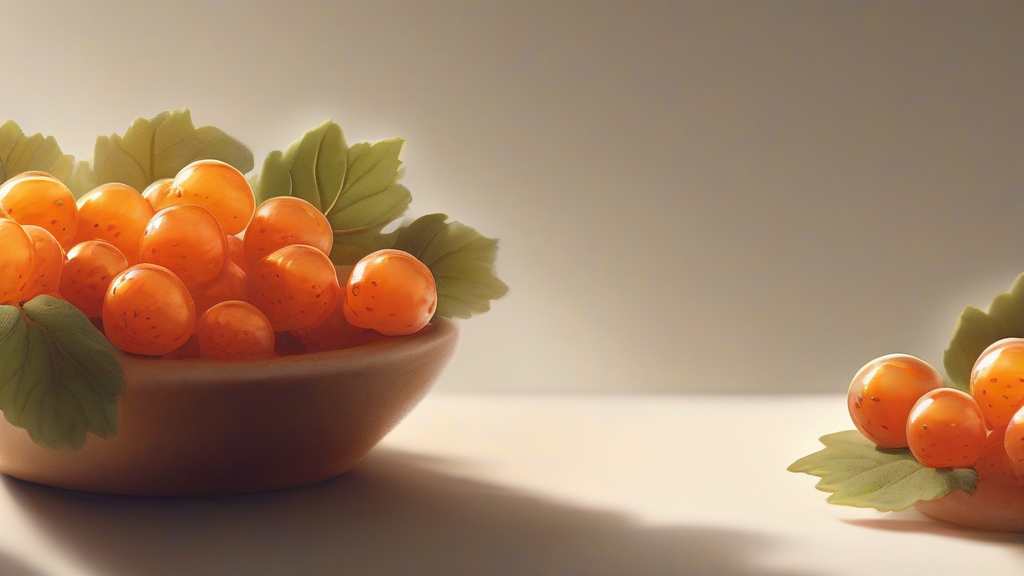
What does cloudberry mean?
A cloudberry is the small, golden-amber fruit of Rubus chamaemorus, a creeping plant that thrives in the cold, waterlogged soils of bogs, fens, and moorlands across northern Europe, Russia, Canada, and Alaska. The berry is prized for its distinctive tart-yet-honeyed flavor and is used chiefly in jams, preserves, juices, and liqueurs, particularly in Scandinavia, where it is considered a delicacy. Because the plant is difficult to cultivate commercially, cloudberries are mostly gathered wild, which adds to their rarity and value. In parts of Canada, especially Newfoundland and Labrador, the fruit goes by the folk name 'bakeapple'. The word itself is straightforwardly descriptive, combining 'cloud' with 'berry', though the exact reason for the name remains uncertain. In usage, 'cloudberry' appears mainly in culinary, botanical, and regional contexts, evoking northern landscapes and traditional foraging rather than everyday speech.
A small, amber-yellow edible berry of the creeping plant Rubus chamaemorus, growing in bogs and moorlands of northern temperate and subarctic regions.
"Cloudberry jam is a cherished delicacy throughout Scandinavia."
Also called bakeapple in Newfoundland and Labrador.
The low-growing, perennial herbaceous plant Rubus chamaemorus itself.
"Cloudberries spread across the bog by means of underground rhizomes."
This sense typically appears in botanical writing.
Standard English plural; the singular 'cloudberry' often refers to one fruit, while the plural may refer to multiple fruits or to the species generally.
"The market stall sold jars of preserves made from hand-picked cloudberries."
In Norway, cloudberries are so treasured they're nicknamed 'the gold of the Arctic' — and in Finland they appear on the national coat of arms.
Reviewed by Deb Chak, Editor. AI-assisted content curated by RJS Tech Solutions LLP.
Etymology of cloudberry
The word 'cloudberry' is a transparent English compound of 'cloud' and 'berry', first recorded in the early seventeenth century. The precise origin of the 'cloud-' element is debated; some suggest it refers to the fruit's pale, cloudy appearance or to the misty upland habitats where it grows. The plant belongs to the genus Rubus, making it a relative of the raspberry and blackberry, though unlike those brambles it bears a single berry per stem. Regional names such as 'bakeapple' in Newfoundland reflect independent naming traditions rather than shared etymology.
How cloudberry is actually used
The word is most common in British, Scandinavian-influenced, and Canadian English; in Newfoundland it is traditionally called 'bakeapple'. It carries a slightly rustic, regional connotation and is rarely used outside contexts involving food, foraging, or northern landscapes.
Easily confused with cloudberry
Cloudberries is simply the plural form of the same word, not a separate term.