What does coacher mean?
A coacher is, at its core, a person who coaches — someone who trains, instructs, or guides others toward improved performance, most often in athletics. The word is formed by adding the agentive suffix -er to the verb coach, much as teacher is formed from teach. Despite this transparent construction, coacher remains rare in modern English, where the shorter form coach dominates both everyday speech and professional titles. Historically, chiefly in nineteenth-century Britain, coacher carried a second, unrelated sense: a horse kept specifically for drawing a coach or carriage, a use recorded in livery and stable contexts. That equine meaning has since fallen out of use entirely. Today, encountering coacher usually signals either older writing or a deliberate stylistic choice, and readers will almost always understand it as a synonym for coach. Its scarcity makes it a curiosity rather than a staple of the vocabulary, but its meaning is easily inferred from context.
One who trains or instructs others, especially in sports; a coach.
"The rowing club hired a new coacher to prepare the team for the regatta."
Largely superseded by 'coach' in modern usage.
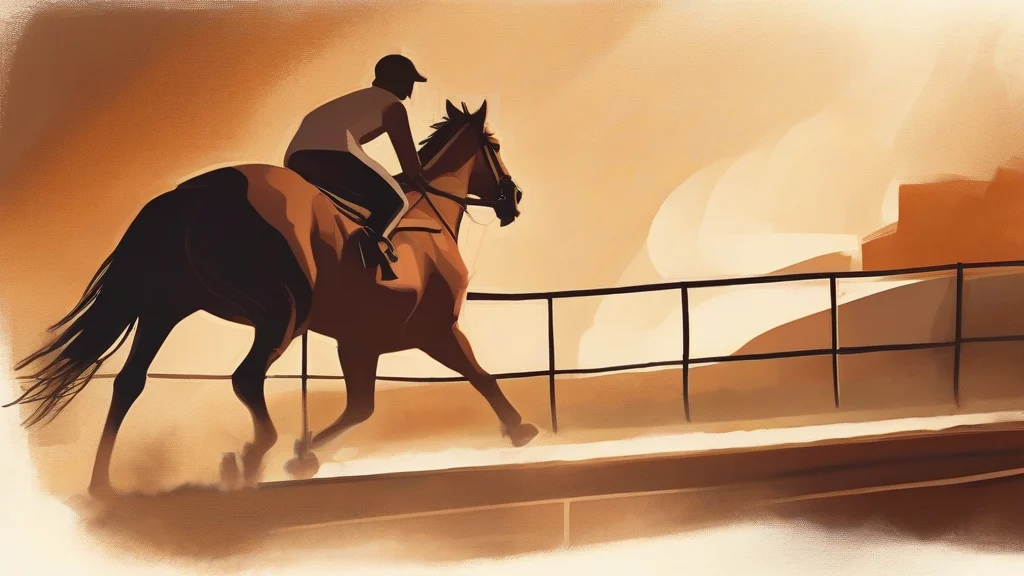
(Historical, chiefly British) A horse kept for drawing a coach.
"The stable's finest coacher was harnessed at dawn for the London run."
Obsolete; found mainly in nineteenth-century sources.
Regular plural, used for both the person and the historical horse sense.
"The gym employed several experienced coachers across different disciplines."
Before it meant a person, a 'coacher' could be a horse — the animal pulling the carriage gave its name to everyone who trains us today.
Reviewed by Deb Chak, Editor. AI-assisted content curated by RJS Tech Solutions LLP.
Etymology of coacher
The noun coacher is formed from the verb coach plus the agentive suffix -er, following the productive English pattern seen in words like teacher and runner. The underlying word coach entered English in the sixteenth century from French coche, ultimately deriving from the Hungarian Kocs, the village renowned for building the carriages that gave the vehicle — and later the sense of an instructor — its name. The agent-noun form coacher arose in English by the seventeenth century, and a distinct British sense referring to a coach-drawing horse developed during the era of horse-drawn transport before fading into obsolescence.
How coacher is actually used
"Coacher" is uncommon in contemporary English; "coach" has largely displaced it as the standard term for a trainer or instructor. The equine sense is obsolete and now mainly of historical interest.
Easily confused with coacher
A coach is the trainer or instructor (or the vehicle), while a coacher is simply an agent noun formed from the verb 'to coach' and is far rarer in modern usage.