What does cobra mean?
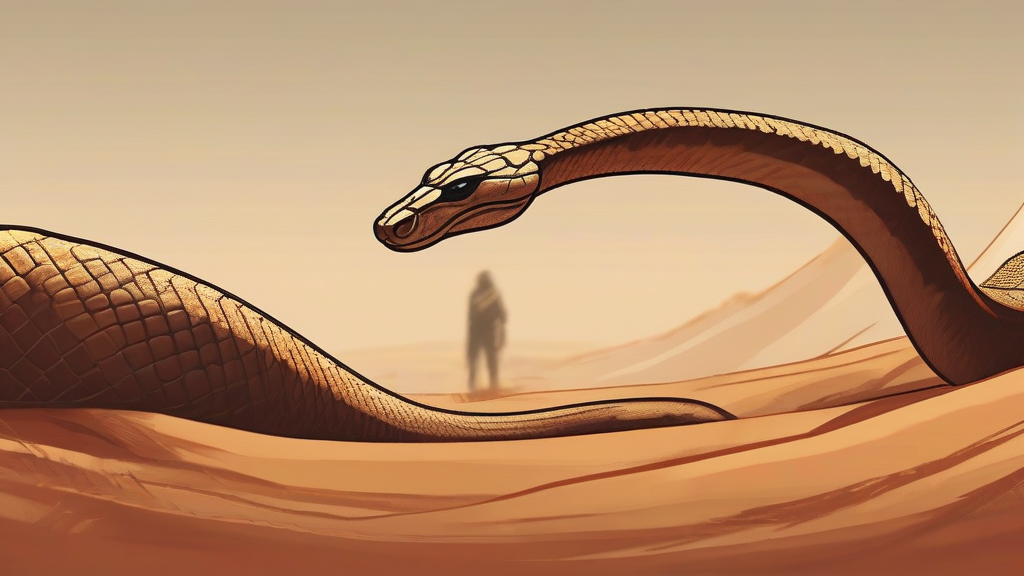
A cobra is a large, highly venomous snake belonging chiefly to the genus Naja, found throughout Africa and Asia. Cobras are members of the elapid family and are instantly recognizable by the dramatic hood they flare when alarmed, formed by spreading elongated neck ribs beneath loose skin — a warning display that makes them among the most iconic animals on Earth. The name has come to cover related hooded species too, including the king cobra of Asia, the world's longest venomous snake, though it belongs to a separate genus. Beyond herpetology, the word carries strong cultural resonance: cobras appear in ancient Egyptian symbolism, in South Asian snake-charming traditions, and even in motoring history through the famous AC and Shelby Cobra sports cars. The word conveys danger and fascination alike, making it a vivid choice whenever writers want to evoke menace or exotic power.
nounA highly venomous snake of the genus Naja (and related genera), native to Africa and Asia, known for the hood it spreads by expanding its neck ribs when threatened.
- A venomous hooded snake of the genus Naja and related elapid genera, native to Africa and Asia.
- Informally, a car produced under Ford's Shelby Cobra high-performance sports-car line.
"The charmer's flute swayed as the Indian cobra rose slowly from its basket."
"The mongoose darted aside just as the Egyptian cobra struck."
"He restored a 1966 Shelby Cobra and drove it along the coast every summer."
The plural follows the standard English pattern simply by adding -s.
"The exhibit featured cobras from both Africa and Southeast Asia."
Spitting cobras can spray their venom with startling accuracy directly into an attacker's eyes from several feet away.
Reviewed by Deb Chak, Editor. AI-assisted content curated by RJS Tech Solutions LLP.
Etymology of cobra
"Cobra" entered English in the early 17th century from Portuguese "cobra," itself short for "cobra de capelo" ("hooded snake"). The Portuguese word traces back to Latin "colubra," meaning "snake," which also gives English the zoological terms "colubrid" and "colubrine." Its adoption reflects the Portuguese presence in India and Southeast Asia, where Europeans first encountered hooded snakes widely.
How cobra is actually used
"Cobra" most often refers to snakes in the genus Naja, but is also applied loosely to related hooded elapids such as the king cobra, which taxonomists place in a separate genus (Ophiophagus). In American English, "Cobra" capitalized also denotes the classic AC/Shelby sports car.
Easily confused with cobra
A viper is a venomous snake of a different family with long hinged fangs and no hood, whereas a cobra is an elapid that spreads a distinctive neck hood.