
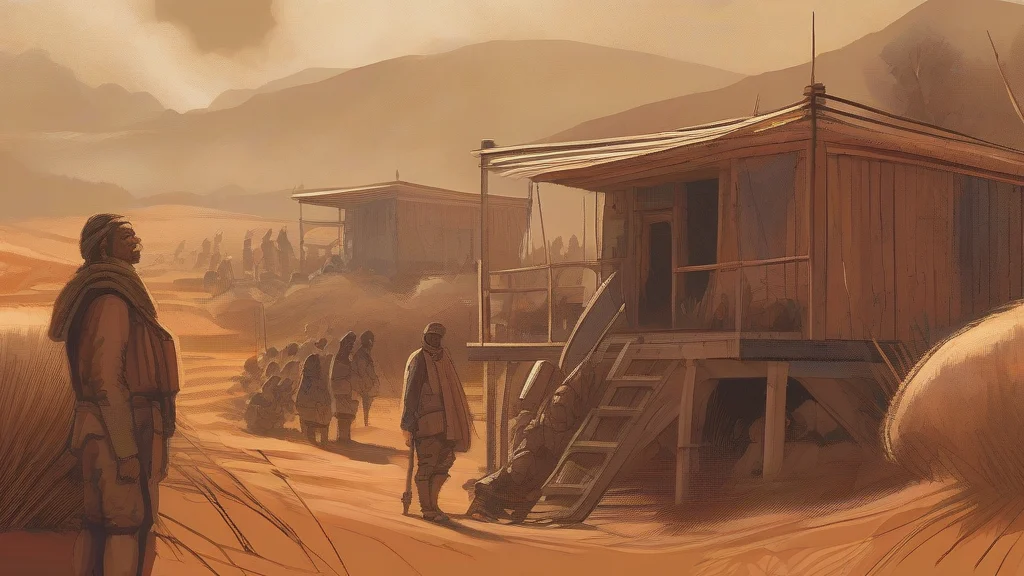
What does colonising mean?
Colonising is the present participle of colonise, meaning to establish a permanent settlement or presence in a place, especially by taking control of territory and its resources. In historical and political contexts, it usually describes European powers establishing colonies overseas, so it often carries implications of imperial domination, dispossession and cultural disruption. The word can also be used more neutrally for the spread of a species into a new habitat, as when a plant is said to be colonising bare ground. In British English, the standard spelling is colonising; American English generally uses colonizing, while the pronunciation is essentially the same in both varieties. As a participle, colonising can stand alone or modify a noun, as in “a colonising power.” The term is most useful when the context makes clear whether it refers to settlement, political control or biological expansion, since its historical sense is ethically charged but its scientific sense is not.
To establish a permanent settlement or presence in a place, especially by occupying and controlling territory; also, to become established in a new habitat.
"The company was colonising the valley in the 1870s."
The historical sense is strongly associated with imperial expansion and may carry a critical connotation. The biological sense is usually neutral.
Participial adjective describing a person, organisation or process that establishes settlements or a presence in another place or habitat.
"The colonising power imposed a new administration on the territory."
It commonly appears before a noun such as power, country, nation, mission or spirit.
The same word can describe an empire's takeover of distant lands and a fungus's spread across a damp wall.
Reviewed by Deb Chak, Editor. AI-assisted content curated by RJS Tech Solutions LLP.
Where does colonising come from?
The verb colonise entered English from French coloniser, which drew on Latin colonus, meaning “farmer” or “settler,” a word related to Latin colere, “to till or cultivate.” Its principal colonial sense developed during the era of European overseas expansion, and the root underlies related words such as colony, colonial and colonist. In British spelling, the present participle is colonising; American English generally writes colonizing.
Related word forms
How colonising is actually used
The British spelling is colonising; American English generally uses colonizing. In historical and political contexts, the term often carries implications of imperial control, dispossession and cultural disruption, whereas its biological use is normally neutral.
Easily confused with colonising
Colonising is the standard British spelling, while colonizing is the usual American spelling; both forms have the same meaning and essentially the same pronunciation.