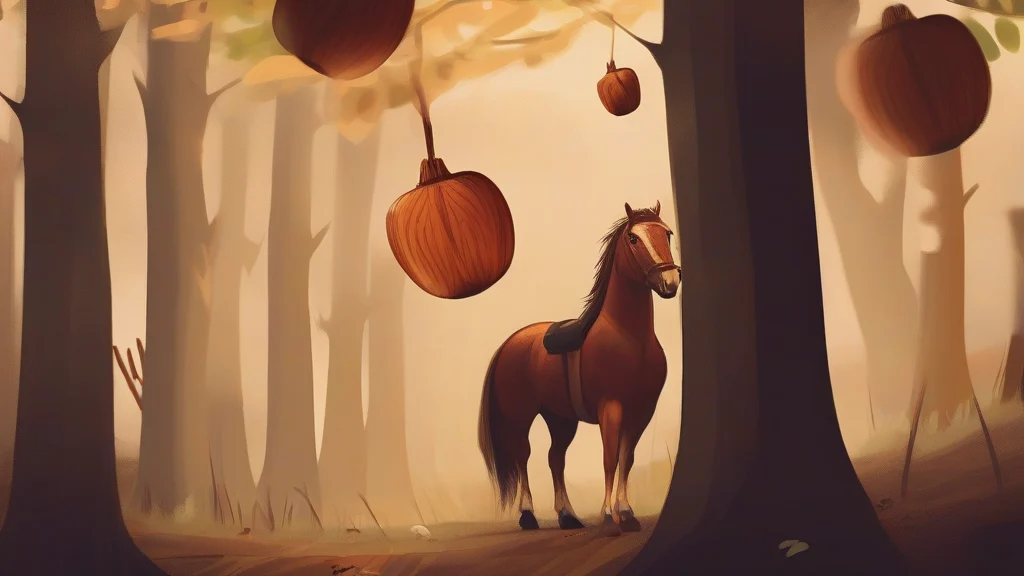
What does conker mean?
A conker is the glossy, hard-brown seed of the horse chestnut tree, prized by British schoolchildren each autumn as the ammunition for one of Britain's best-loved playground games. To play, a hole is bored through the nut and it is suspended on a length of string; two players then take turns swinging their conkers to strike their opponent's, aiming to crack it first. A nut that has won many matches earns the coveted status of a "many-er". The word dates from the nineteenth century and is generally thought to derive from an older form associated with "conquerors", reflecting the game's competitive aim. Strongly regional to Britain and largely unknown in North America, "conker" carries warm connotations of childhood, autumn, and schoolyard tradition, and it survives today partly thanks to events such as the annual World Conker Championship held in England.
nounA conker is the hard brown nut of the horse chestnut tree, used in a traditional British children's game in which two nuts are swung on strings and struck against each other until one breaks. The word also refers to the game itself.
- The nut of the horse chestnut tree, used in the traditional game of conkers.
- The game itself, in which two conkers on strings are struck against each other.
"The children spent the afternoon in the schoolyard playing conkers with chestnuts they had collected that morning."
"He drilled a hole through his prize conker and threaded it onto a shoelace."
"Autumn wouldn't be complete without a fierce game of conkers behind the school."
Standard plural; used both for multiple nuts and collectively for the game's equipment.
"They filled their pockets with conkers gathered from beneath the chestnut trees."
Every October, competitors from around the world gather in a small English village to smash hardened chestnuts against each other at the World Conker Championship.
Reviewed by Deb Chak, Editor. AI-assisted content curated by RJS Tech Solutions LLP.
Etymology of conker
"Conker" emerged in nineteenth-century Britain as the name for a children's game played first with snail shells and later with horse chestnuts. Its origin is usually traced to an earlier dialect form connected to the word "conquerors" — fittingly, since the object of the game is to conquer your opponent's nut. It is therefore related, though loosely, to the Latin root behind "conquer" and "conquest".
How conker is actually used
"Conker" is chiefly British and strongly associated with childhood nostalgia and the autumn term of the school year; it is informal but widely understood across the UK. In North America, where horse chestnuts are known as buckeyes, neither the word nor the game is common.
Easily confused with conker
A conch is a large tropical sea snail or its spiral shell, whereas a conker is a horse chestnut used in a children's street game.