What does corky mean?
Corky is an adjective describing something that has the qualities of cork: it is light, dry, porous, and slightly springy to the touch. The word appears most frequently in botanical and horticultural contexts, where ageing stems, roots, or tubers develop a tough, cork-like surface, and in medicine, where certain skin lesions may be described as corky in texture. It also has an established place in wine terminology: a corky wine is one that has been spoiled by a defective, mould-contaminated cork, acquiring a musty aroma reminiscent of damp cardboard — though many modern writers prefer the narrower term 'corked' for this fault. The word derives simply from cork, the buoyant bark of the cork oak, with which it shares its earliest recorded uses dating back several centuries. Mildly pejorative in tone, corky signals dryness, age, or deterioration rather than anything desirable, making it a precise and useful descriptor in technical discussion even though it rarely surfaces in casual conversation.
adjectiveHaving the texture, appearance, or qualities of cork; light, dry, and somewhat springy or spongy. In wine-tasting, describes a wine spoiled by a faulty, mould-affected cork, giving it a musty, damp-cardboard flavour.
- Resembling cork in texture — light, dry, porous, and slightly elastic (used of plant stems, roots, bark, lesions, or other surfaces).
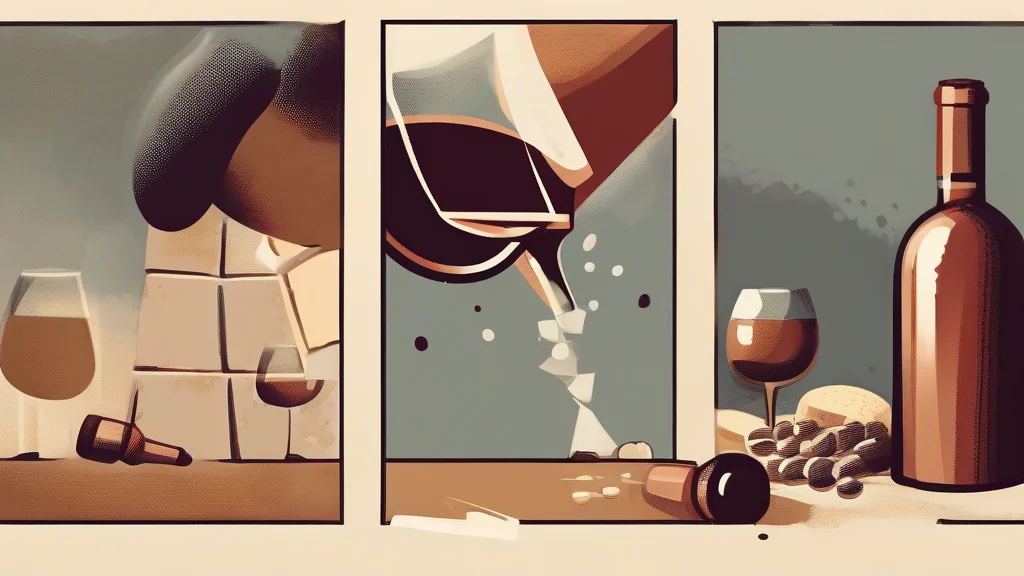
- (Of wine) tainted by a faulty cork, so that it smells and tastes musty or of damp cardboard.
"The plant's roots had turned dry and corky after weeks without water."
"After months in storage, the potato tubers had developed thick, corky patches on their skins."
"The waiter agreed the bottle was corky and replaced it without argument."
That musty 'wet cardboard' smell ruining an expensive bottle of wine has a name among sommeliers — and it's simply the word corky doing its unglamorous job.
Reviewed by Deb Chak, Editor. AI-assisted content curated by RJS Tech Solutions LLP.
Etymology of corky
Corky is formed directly from the noun cork, the lightweight outer bark of the cork oak (Quercus suber), combined with the suffix -y meaning 'characterized by'. The English word cork itself entered the language in the late Middle Ages, likely borrowed through Dutch or Spanish trade channels connected to the Iberian cork industry, and adjectival forms like corky followed once the material was familiar enough to serve as a point of comparison. Its closest relatives are therefore other derivatives of cork, such as corkage and corker, rather than words from any deeper classical root.
Related word forms
How corky is actually used
In everyday speech, corky is most often encountered in botany, horticulture, and medicine (describing dry, cork-like tissue), while its wine-tasting sense belongs chiefly to the vocabulary of wine professionals and enthusiasts, where the term 'corked' is now more common for the fault itself. The word carries a mildly negative connotation in both senses, implying dryness or spoilage.
Easily confused with corky
'Corked' refers specifically to a wine spoiled by a tainted cork, while 'corky' more broadly describes anything resembling cork in texture or quality, including such wines.