What does corso mean?
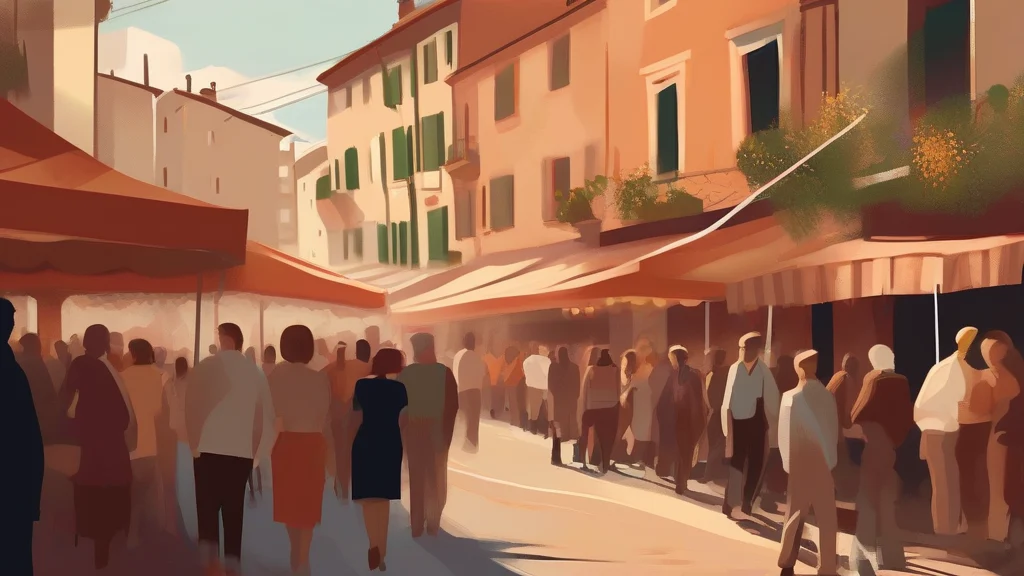
A corso is the main street or promenade of an Italian town — the broad, often elegant thoroughfare where locals take their evening passeggiata, where cafés and shops cluster, and where festivals and processions traditionally unfold. Borrowed directly from Italian, the word carries strong connotations of Mediterranean civic life: sunshine, strolling, celebration, and community. It derives from the Latin cursus, meaning 'a running' or 'course', a reminder that many such streets originally hosted races and ceremonial processions. English writers use corso chiefly in travel writing and historical description, referring to famous examples such as the Corso in Rome. Because the word is tied to a specific cultural setting, it adds local color and precision that a plain word like 'street' cannot supply.
nounA principal street or promenade in an Italian town, typically one used for public processions, festivals, or leisurely strolls.
- The principal street or promenade of an Italian town, especially one associated with processions or public festivity.
- A public procession, race, or festive parade held along such a street (in Italian usage).
"In the evening the whole town gathered on the corso to watch the carnival procession wind past the cafés."
"Tourists drifted down the tree-lined corso as the shops began to light up for the evening."
"The annual corso of decorated floats drew crowds from every village in the valley."
The Italian plural 'corsi' is standard in careful writing; the anglicized 'corsos' is also encountered.
"Nearly every town we visited had its own corso, and the corsi were always busiest at dusk."
Every Italian town seems to have one 'corso' — and it all traces back to the Latin word for running, because these were the streets where races and processions once charged through.
Reviewed by Deb Chak, Editor. AI-assisted content curated by RJS Tech Solutions LLP.
Etymology of corso
Corso comes from Italian, in which it means both a principal street and a course or race, deriving from Latin cursus ('running, course'), the noun formed from the verb currere ('to run'). It shares this root with English words such as course, concourse, discourse, and excursion. The term entered English through travel and descriptive writing about Italy, where the main street of a town — historically a route for processions and races — came to be called the corso.
How corso is actually used
Corso is a loanword from Italian and appears almost exclusively in writing about Italy or Italian culture; it may be italicized in formal prose. The plural follows the Italian pattern 'corsi', though the anglicized 'corsos' also occurs.
Easily confused with corso
A chorus is a group of singers or a refrain, whereas a corso is an Italian town's principal street or promenade.