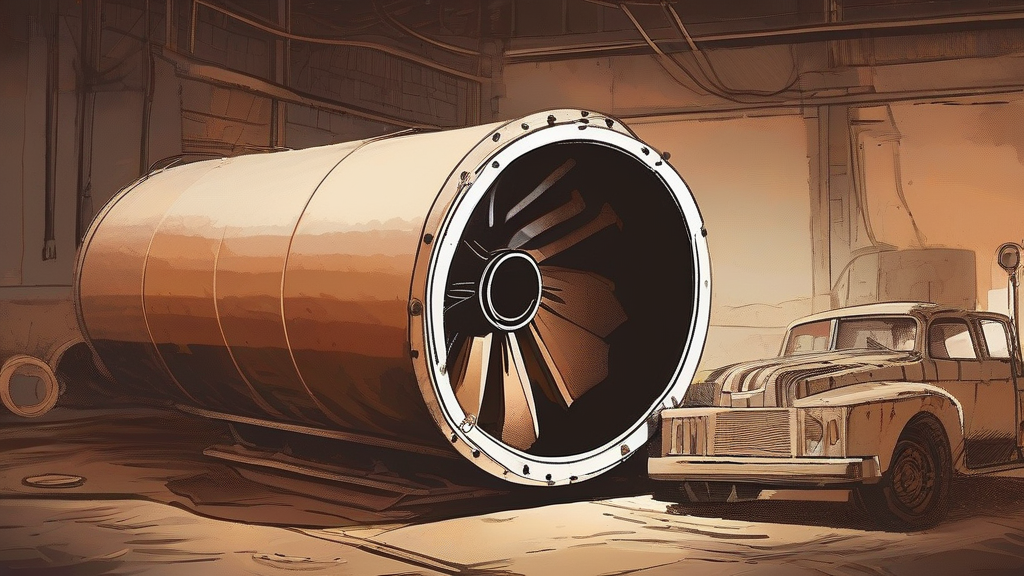
What does cowling mean?
A cowling is a removable, often hood-shaped cover that encloses an engine or other piece of machinery, protecting it from the elements while allowing access for inspection and repair. The word is most closely associated with aviation, where each engine on an aircraft is housed within a streamlined cowling that also helps manage airflow and cooling, but it appears equally in automotive and marine contexts. The term derives from 'cowl' — the hooded garment worn by monks — which traces back through Middle English to the Latin cucullus, meaning hood. Because of this heritage, a cowling always suggests something that drapes over or caps the mechanism beneath it. In everyday use the noun is technical rather than colloquial: mechanics speak of lifting or removing a cowling, and aviation maintenance manuals treat cowlings as standard components. It is a precise, useful term whenever a hood-like engine cover is meant.
nounA removable metal or plastic cover, typically shaped like a hood, that encloses an engine or other machinery, especially on an aircraft or automobile.
- A detachable cover enclosing an engine or machinery, especially the streamlined housing around an aircraft engine.
"The mechanic lifted the cowling to inspect the aircraft's engine."
"Ground crew opened the cowling to check for oil leaks before takeoff."
"He propped open the cowling and peered at the lawnmower's carburettor."
Standard plural; commonly used when referring to multiple engines on multi-engine aircraft.
"Both cowlings were removed during the annual inspection."
The cowling on your car's engine gets its name from the hood of a medieval monk's robe — same Latin root, very different wardrobe.
Reviewed by Deb Chak, Editor. AI-assisted content curated by RJS Tech Solutions LLP.
Etymology of cowling
'Cowling' derives from 'cowl', the hooded garment worn by Christian monks since the Middle Ages, which entered Middle English from late Old English 'cugele', borrowed from Medieval Latin 'cuculla', ultimately from Latin 'cucullus' meaning hood or hood-shaped covering. The mechanical sense arose when engine covers were seen as hooding the machinery beneath them, with the term becoming established during the early development of powered flight in the early twentieth century.
How cowling is actually used
Chiefly technical and mechanical in register, used by engineers, mechanics, pilots, and aviation writers. In British English, 'bonnet' is preferred for a car's hood over the engine, so 'cowling' there leans toward aviation and machinery contexts.
Easily confused with cowling
A cowl is the hood itself — either a monk's hooded garment or a general hood-shaped covering — while a cowling specifically refers to a detachable engine or machinery cover.
A cowlick is a tuft of hair that grows in a different direction from the rest; it has no connection to engine covers despite the similar spelling.