What does cremator mean?
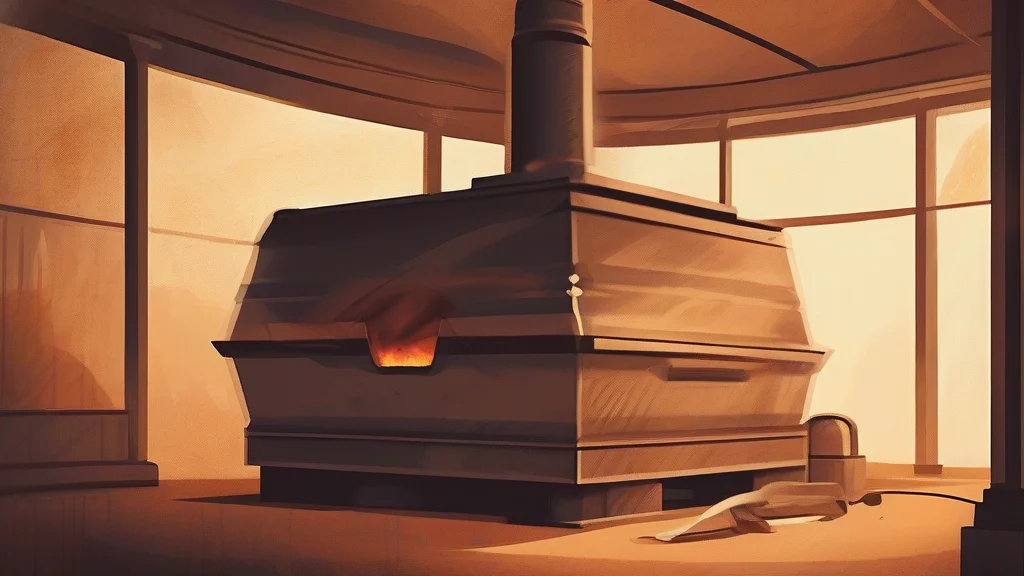
A cremator is a specialized industrial furnace designed to reduce human or animal remains to ash through intense heat. It sits at the heart of every crematorium, though the two words are not interchangeable: the crematorium is the building, while the cremator is the specific piece of equipment within it. Modern cremators are typically gas-fired, single- or double-chambered units engineered to operate efficiently at sustained high temperatures while controlling emissions. Because of its technical nature, the word belongs mainly to professional, regulatory, and journalistic contexts rather than casual conversation, where speakers tend to use broader terms like cremation or crematorium. The word derives from the Latin verb cremare, meaning 'to burn', the same root behind related English terms such as cremate, cremation, and crematory. For readers interested in how language, technology, and end-of-life practice intersect, cremator offers a precise, useful term that distinguishes the machinery of cremation from the institution that houses it.
A furnace or enclosed apparatus used for the cremation of human or animal remains.
"Each cremator at the facility is fitted with emissions-control equipment."
Most often encountered in technical, legal, and funeral-industry writing.
A person whose work involves carrying out cremations.
"In earlier accounts, the cremator was described as a skilled tradesman responsible for operating the retort."
This sense is now rare; most modern usage refers exclusively to the machine.
Regular plural formation; standard across both British and American English.
"The council approved funding to replace both ageing cremators."
Every word in the 'crem-' family traces back to the same Latin verb — but only cremator names the machine itself.
Reviewed by Deb Chak, Editor. AI-assisted content curated by RJS Tech Solutions LLP.
Etymology of cremator
Cremator comes from the Latin verb cremare, meaning 'to burn' or 'to consume by fire'. The noun follows a common Latin agent-noun pattern, formed with the suffix -or to denote an instrument or agent that performs an action. English adopted the crem- family largely in the 19th century, as cremation was reintroduced into Britain and North America as a modern alternative to burial. Cognates and derivatives sharing this Latin root include cremate, cremation, crematory, and crematorium.
Related word forms
How cremator is actually used
Primarily a technical term used by funeral industry professionals; in everyday speech people are more likely to say 'crematorium' or 'crematorium furnace'. The sense referring to a person is rare and largely historical.
Easily confused with cremator
A crematorium is the building where cremations take place, while a cremator is the furnace inside it that performs the actual cremation.