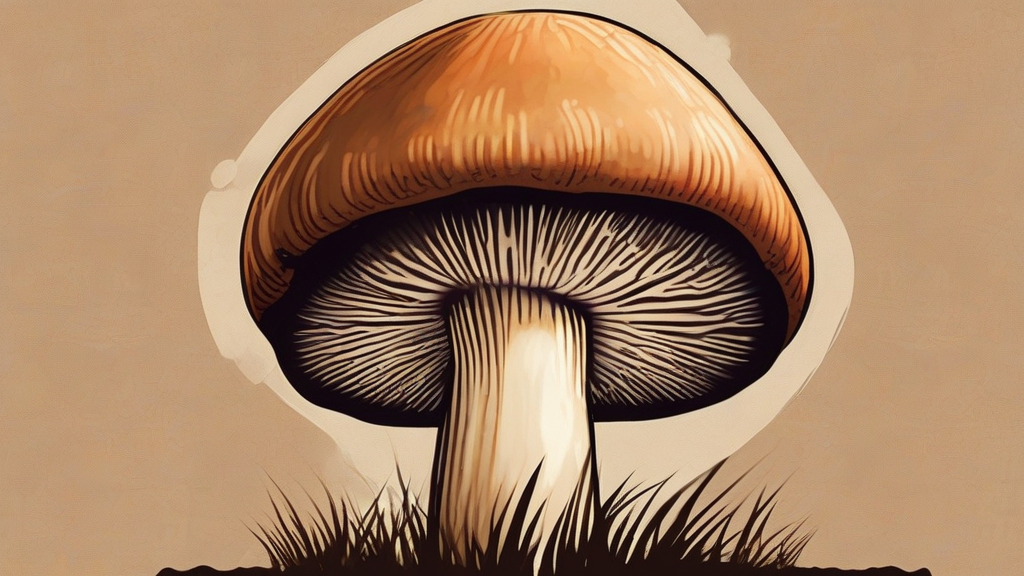
What does crimini mean?
A crimini (also spelled cremini) is an immature brown mushroom belonging to the species Agaricus bisporus, the same fungus that produces both the familiar white button mushroom and, at full maturity, the large portobello. Firm-fleshed and capped in light to dark brown, the crimini offers a noticeably earthier, more savory flavor than its white counterpart, which makes it a favorite in cooked dishes such as sautés, sauces, risottos, and stuffed-mushroom preparations. It is widely available in American supermarkets, often marketed under the appealing name "baby bella," while British shoppers are more likely to encounter it as a chestnut or Swiss brown mushroom. Culinary writers value it as an easy upgrade from white buttons: it browns well, holds its texture during cooking, and adds depth without overpowering other ingredients. Because the terms crimini, baby bella, and portobello all describe stages or names of one species, the words are best understood as points on a single mushroom's life cycle rather than distinct varieties.
nounA crimini is a young brown mushroom, a brown-capped variety of the species Agaricus bisporus that is more flavorful and firmer than the common white button mushroom. When fully mature it develops into the large flat mushroom sold as a portobello.
- An immature brown mushroom of the species Agaricus bisporus, sold fresh for cooking and prized for its deeper, earthier flavor than the white button mushroom.
"She sautéed the criminis with garlic and thyme for the risotto."
"Toss the sliced criminis into the pan and let them brown before adding the wine."
"For a heartier filling, swap the white buttons for criminis, which hold their texture better when cooked."
In recipes the plural is usually "criminis" (or "creminis"), but because the word functions much like a mass noun in cooking, it often appears unmarked, e.g. "a pound of crimini."
"Add the criminis to the skillet and cook until golden."
A crimini is really just a baby portobello — the same fungus at two different ages wearing two different names on grocery shelves.
Reviewed by Deb Chak, Editor. AI-assisted content curated by RJS Tech Solutions LLP.
Etymology of crimini
The word comes from Italian, where forms like "cremino" appear as a diminutive name associated with this brown mushroom; the English term was borrowed in the late twentieth century as Italian-style mushroom varieties became widespread in American markets. It belongs to no broader English word family beyond its spelling variants. Its everyday companions are the related market names for the same species — white button, chestnut, and portobello — which trace their own paths through English and Italian trade usage.
How crimini is actually used
The spelling "cremini" is equally common, and some writers treat it as the preferred form. The word is used almost exclusively in culinary contexts — recipes, menus, and food writing — rather than general prose. In British English the same mushroom is often called a chestnut mushroom or Swiss brown mushroom.
Easily confused with crimini
The portobello is simply a fully mature crimini — larger, flatter, and darker — whereas a crimini is the immature stage of the same mushroom.
White button mushrooms are the white variety of the same species, milder in flavor and paler in color than the brown crimini.