What does crossbencher mean?
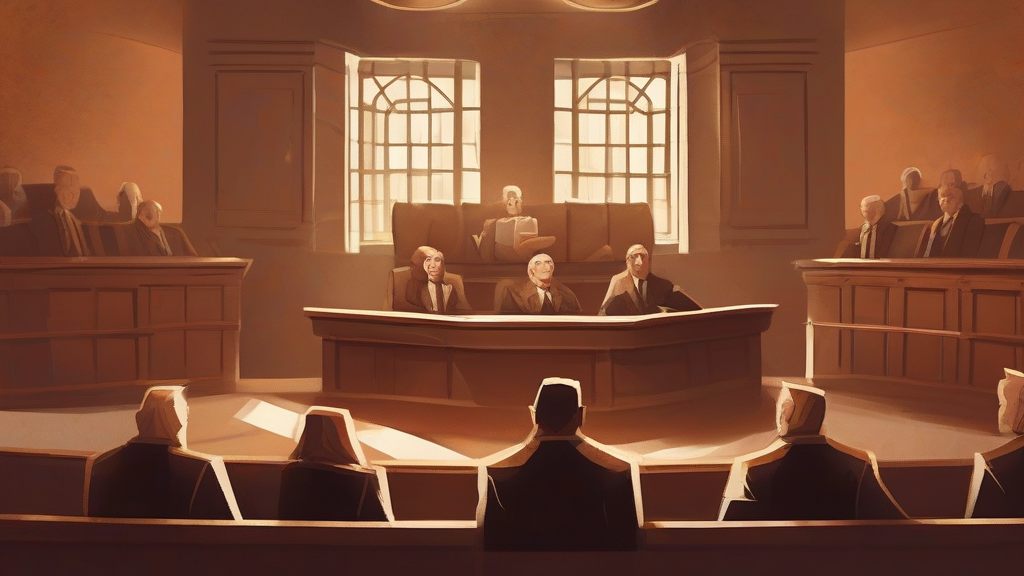
A crossbencher is a member of the United Kingdom's House of Lords who belongs to no political party and instead sits on the crossbenches — rows of seats arranged perpendicular to the government and opposition benches, symbolising independence from partisan alignment. Crossbenchers include retired judges, former heads of public institutions, academics, religious leaders, and other figures appointed for their expertise rather than party loyalty. Because they vote by conscience rather than by whip, they can be pivotal in close divisions, and governments must often court their support on contentious legislation. The word derives from the physical position of the benches themselves: 'cross' meaning across, and 'bencher' denoting one who occupies a bench. Though rooted firmly in British parliamentary practice, 'crossbencher' occasionally appears in wider discussion of any independent legislator who declines to align with a party bloc. The term carries connotations of integrity, impartiality, and seasoned judgement, making it a useful word for describing non-partisan actors in politics.
nounA member of the House of Lords who does not affiliate with a political party, sitting on the crossbenches that run perpendicular to the government and opposition benches. Crossbenchers are typically independent peers, such as retired judges, senior public figures, and experts.
- A member of the House of Lords who sits on the crossbenches as a non-party-affiliated, independent peer.
- (Extended use) Any independent or non-aligned member of a legislature who does not caucus with a political party.
"As a crossbencher, Lord Patel votes according to his conscience rather than along party lines."
"The former Chief Justice took her seat as a crossbencher, declining to join either major party in the Lords."
"Crossbenchers often hold the balance of power when the government's majority is slim."
Standard pluralisation with -s; commonly used when discussing the group collectively, e.g. 'the crossbenchers'.
"The crossbenchers' support proved decisive in passing the bill."
In Britain's House of Lords, some of its most influential members sit on benches placed sideways — literally crossing party lines — so they can vote purely on merit.
Reviewed by Deb Chak, Editor. AI-assisted content curated by RJS Tech Solutions LLP.
Etymology of crossbencher
The term 'crossbencher' arose from the seating arrangement of the British House of Lords, where independent peers occupy benches placed crosswise — running across the chamber between the government and opposition sides. The element 'cross' comes from Old English 'cros', ultimately from Latin 'crux', while 'bencher' derives from 'bench', from Old English 'benc', a Germanic root shared with modern German 'Bank'. The compound emerged in the nineteenth century once crossbenches became established for non-party peers, and it has since remained a distinctly British parliamentary term.
How crossbencher is actually used
The term is chiefly British and refers specifically to the House of Lords; it carries a connotation of impartiality, independence, and often distinguished expertise rather than neutrality-as-indecision. It is formal in register and rarely used outside parliamentary contexts except metaphorically.
Easily confused with crossbencher
A backbencher is an ordinary member of parliament who belongs to a party but holds no front-rank office, whereas a crossbencher is a member of the House of Lords who belongs to no party at all.